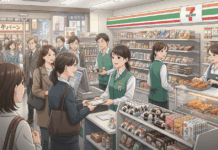

Convenience store jobs in Japan, sometimes called "konbini" jobs, are popular among locals and foreigners. If you're seeking steady income and real experience in Japan—even with minimal Japanese—major chains are always hiring.
This article helps job seekers understand the landscape of konbini work, focusing on Lawson, FamilyMart, and 7-Eleven.



You'll find practical job details, tips for English and Japanese speakers, and the potential benefits of working in convenience stores.
Whether you’re studying, on a working holiday, or looking for flexible income, the konbini world is vast. It offers opportunity, but occasionally unexpected challenges, too. Let’s break it down for anyone considering a move—or a side gig—in Japan.
Why Convenience Store Jobs in Japan Attract Job Seekers?
Convenience stores are genuinely everywhere in Japan. There’s barely a neighborhood without one, and—with 24/7 shifts—they offer round-the-clock work. But what really draws job seekers?

High Job Availability
With thousands of branches, Lawson, FamilyMart, and 7-Eleven nearly always have open positions. Stores in busy areas may need staff all year, especially for night shifts or weekends.
Flexible Schedules
Most konbini offer shift-based work. Maybe you want mornings before school or late-night hours for a bit of solitude. It can fit student or part-time lifestyles fairly well—although night shifts aren’t everyone’s favorite.
Opportunities for Non-Japanese Speakers
While some fluency is helpful, tourist-heavy locations or chains near universities sometimes hire English speakers. Short dialogues or training in English occasionally happen, especially in global hubs like Tokyo or Osaka.
Reliable Pay and Perks
Hourly wages are predictable. They usually range from ¥950 to ¥1,200 (with higher rates in Tokyo). Employees sometimes get meal discounts or overtime supplements—though this can vary by chain.
Major Convenience Store Chains: Lawson, FamilyMart & 7-Eleven
Each chain has a few differences, especially in work culture and expectations. Here’s a snapshot for comparison:

Lawson
Known for friendly atmosphere and innovation. Some branches cater to international crowds, offering multilingual support and even vegan or halal products.
FamilyMart
Wide network, with a reputation for variety in snacks and ready meals. They tend to have slightly more relaxed environments, though experiences differ across managers.
7-Eleven
Japan’s largest konbini chain. Consistent procedures, digital POS systems, and a massive range of essential products. English-language menus in branches near train stations aren’t unheard of.
How to Find and Apply for Convenience Store Jobs?
Navigating the job market in Japan, particularly as a foreigner, can feel intimidating. Yet, many have found success in konbini work using the following approaches.
In-Store Recruitment Posters
Most convenience stores post job openings at the entrance or near cash registers. These can be in Japanese, but sometimes contact details or QR codes are clear regardless of language skill.
Online Job Portals
Websites like TownWork, Baitoru, and the official recruitment pages for Lawson, FamilyMart, and 7-Eleven frequently list open positions. English versions are available for some platforms, but not always.
Direct Inquiries
Occasionally, visiting the store and asking staff—perhaps with a simple note in Japanese—is effective. It shows initiative, even if your language skills aren’t perfect yet.
Requirements and Skills: What You’ll Need
Convenience store jobs are relatively accessible, but there are a few basic expectations—especially for non-Japanese applicants. Here's a concise overview.
Documentation and Working Rights
- Valid visa with permission for part-time work
- Residence card (Zairyu Card)
- Some stores need Japanese language proficiency proof (JLPT N4 or better)
Soft Skills and Attitude
- Politeness and patience
- Willingness to handle routine, repetitive tasks
- Ability to follow detailed instructions and handle cash/registers
Language Skills: How Much Japanese?
Contrary to some rumors, advanced Japanese isn’t always required. For English speakers, basic phrases or numbers can suffice—though you’ll do better with N3-level skills. Especially outside of Tokyo, more Japanese is helpful.
Day-to-Day Duties: What Does the Job Involve?
Everyone expects cash register work, but konbini jobs can be surprisingly varied (and sometimes, exhausting). Here’s what a typical day might entail:
- Operating the register and managing transactions
- Restocking shelves, refrigerators, and displays
- Prepping and serving hot foods (like fried chicken)
- Package deliveries and shipping services
- Maintaining store cleanliness (inside & sidewalks)
- Assisting with promotional campaigns or seasonal products
- Handling lost and found, or assisting tourists with directions
Some people say the pace can jump unexpectedly—one moment it’s quiet, the next, a tour group arrives. Being adaptable is useful, and perhaps, almost essential.
Pay, Benefits & Work Culture at Japanese Convenience Stores
Hourly pay is competitive given the requirements. For most urban locations, daytime pay starts at around ¥1,000 per hour; overtime, night, and holiday shifts usually offer better rates. However, actual take-home pay varies by city and workload.
Perks and Benefits
- Discounted meals and drinks (sometimes 10-20% off)
- Uniforms and paid initial training
- Social insurance enrollment (if working enough hours)
- Bonuses during New Year or seasonal peaks (rare, but possible)
Work Culture: Hierarchy & Teamwork
There’s a formal but friendly workplace culture. Managers expect punctuality and attention to detail. Some workers mention strong teamwork with co-workers, but it really depends on the branch and supervisor.
Legal, Visa, and Tax Considerations
One crucial topic: employment laws. If you’re on a student visa, a permit for "shūgaku katsudō" (permission to work) is required. Usual limit is 28 hours a week, per immigration rules.
Taxes—almost impossible to avoid—may be deducted if you exceed annual earning thresholds (usually around ¥1.03 million for students).
Forms and tax details are handled at year’s end. Even part-timers must submit paperwork, though the process isn’t as scary as it first seems.
Tips for Success in Japanese Convenience Store Jobs
- Learn basic cash register phrases and polite greetings
- Stay attentive: product placement and promotion rotate fast
- Build rapport with your colleagues—it can make shifts enjoyable
- Double-check shift limits for your visa type to avoid issues
- Don’t be discouraged if the work feels repetitive. The sense of routine can actually help with language learning and adjustment.
Final Thoughts on Konbini Jobs
Convenience store jobs in Japan can offer flexible income, steady shifts, and useful work experience for locals and foreigners.
Lawson, FamilyMart, and 7-Eleven often provide accessible roles, but duties can be fast-paced and repetitive. Applicants should prepare documents, understand visa limits, and build basic Japanese communication skills before applying.
With consistency and a good attitude, konbini work can become a practical step toward adapting to life and work in Japan.