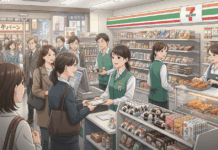

Lawson convenience stores have become a lifeline for many in Japan, not only for daily needs, but also as a source of flexible part-time jobs.
Many students and foreigners find these roles a good fit—especially for those balancing classes, family responsibilities, or simply looking for extra income without sacrificing daytime freedom.

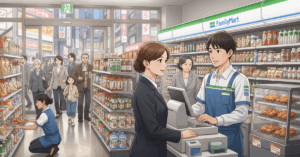
This article explores how Lawson’s jobs might meet those needs, what makes these roles relevant, and what new and established residents in Japan should know before applying.
Why Choose Lawson Part-Time Jobs?
Lawson is among the most recognized convenience store chains in Japan. Working here means steady foot traffic, diverse tasks, and fair hourly pay. Night shifts and flexible scheduling are big draws, but there are other aspects that suit a range of lifestyles and needs as well.
Flexible Schedules Fit for Students and Busy Individuals
The company frequently offers late evening or overnight shifts. These flexible hours may be more attractive to students, single parents, or those working multiple jobs. Schedules can sometimes be negotiated to fit around important life events or exams.

Easy Entry-Level Access
Many Lawson locations only require basic Japanese conversational skills. There’s usually no need for prior retail experience. Some managers are willing to train on the job, which might reduce anxiety for those new to Japanese work culture or first-time job seekers.
Opportunities to Practice Japanese
Daily customer interaction helps staff improve language skills. As language ability improves, it often leads to more responsibilities and, possibly, higher pay or promotion within the store.

Night Shift Premiums
Overnight shifts come with additional pay, typically around 25% higher than daytime. That can make a modest job much more lucrative, although the hours aren’t always easy for everyone.
Job Structure and Typical Responsibilities
Lawson part-time roles represent a unique blend of challenge and routine. Depending on the shift, workers are likely to experience both quiet stretches and busy periods. While some tasks repeat, occasional new duties keep the job varied.
Cashier Duties
Operating the register is nearly always part of the job. Staff handle cash, credit, mobile payments, and—especially in Japan—bill payments or ticket purchases. Mistakes can happen, particularly during the first week on the job, but managers and colleagues usually help newcomers adapt.
Shelf Stocking and Inventory
Keeping shelves neat and well-stocked is ongoing. Deliveries often arrive in the evening. Ensuring correct rotation (first-in, first-out) prevents waste, which is closely watched in Japanese retail environments.
Cleaning and Maintenance
Employees are responsible for basic cleaning—floors, restrooms, and displays. These tasks might seem simple, but are crucial for health standards and store reputation.
Food Preparation
Many stores offer hot snacks or prepared meals. Depending on location, staff may prepare and pack items. Food safety and accuracy are important, even if the actual cooking is easy to learn.
How to Apply for Lawson Part-Time Jobs
Applying can be as simple as checking a store’s window for hiring ads, or browsing Lawson’s official website for postings. Applications may be submitted online or in-person, with in-person often providing a faster response in smaller towns or suburban areas.
Application Process Overview
- Check store postings or Lawson’s official careers page
- Fill out the basic application (resume required in most cases)
- Prepare for a short interview (usually held on-site)
- If selected, provide necessary legal documents (residence card, work permit if required)
Language Requirements
Basic Japanese is needed—enough for polite greetings, simple instructions, and money handling. Some jobs may demand higher skills, but local managers sometimes hire those still studying Japanese.
Legal Requirements for Foreigners
Foreign nationals should have the appropriate visa or work permit. Students on a "Student Visa" can generally work up to 28 hours per week during semesters. Overworking those hours can jeopardize visa status, so caution is needed.
Night Shift and Flexible Hour Benefits
Night work at Lawson isn’t just about a higher hourly wage. It often means fewer customers, quieter shifts, and, sometimes, the opportunity to fit in other freelance work during the day.
Who Typically Prefers Night Shifts?
Students, language learners, and side-hustlers commonly prefer overnight or late evening shifts. It’s not always easy to remain fully alert during slow hours, but many report enjoying the autonomy and calmer working pace.
Pay Rates and Additional Benefits
As noted, night shifts may pay about 25% more than daytime roles. Some stores offer occasional bonuses for consistent performance, or slight raises after six months or a year of work.
Drawbacks to Consider
Night hours may affect sleep, especially for those with classes or daytime commitments. Challenges can include long stretches with few customers or handling occasional late-night incidents, such as handling inebriated customers. That’s the reality—some nights will be peaceful, others less so.
Tips to Succeed at Lawson Part-Time Jobs
Excelling at Lawson as a part-timer is about more than just showing up. Small skills and mindset shifts can make the role more rewarding and less stressful.
Practice Everyday Japanese
Learning phrases for customer interaction is helpful. It’s not about fluency, but about comfort with polite, quick exchanges. The more used, the more confident one becomes—even if the accent isn’t perfect at the start.
Arrive On Time, Stay Flexible
Punctuality is deeply valued in Japan. But even if something happens, managers tend to appreciate upfront communication. Being open to covering extra shifts or helping with unfamiliar tasks can also improve standing over time.
Keep Receipts and Track Hours
Part-timers sometimes forget to double-check their payslips or keep a record of hours worked. Mild confusion about overtime or night shift premiums is not uncommon. Having a personal record can help clarify any mix-ups, and might even prevent a misunderstanding before it becomes a problem.
Legal, Tax, and Work Culture Considerations
Foreigners in Japan need to pay particular attention to lawful working hours, insurance registration, and proper tax filing. It seems complicated initially, but following a few simple steps tend to prevent bigger headaches down the line.
Tax Withholding and Annual Filings
Income tax is deducted at the source, but workers may still need to file a return each spring. This is especially vital for those with multiple jobs or additional freelance income. Local city offices usually have translated guides for common scenarios.
Health Insurance and Social Security
If total weekly hours exceed a certain guideline (often 20+), some stores may require enrollment in health insurance and pension (shakai hoken). For students or short-term workers, this might not apply, but it’s important to ask during job orientation or onboarding.
Unexpected Issues: Overtime and Last-Minute Shifts
Unexpected overtime or requests for additional shifts can happen at busy stores. While overtime rules are strictly regulated, communication about extra work should be clear from the start to avoid frustration.
Other Considerations: Balancing Work, Study, and Life
For many, working at Lawson forms just one part of life in Japan. While steady income and skill-building are major draws, careful schedule management is necessary to maintain health and academic progress. Making space for rest is as vital as earning extra yen.
Top Lawson Locations: Urban vs. Suburban vs. Rural
Some candidates wonder if there’s a major difference between Lawson stores in the city, suburbs, or countryside.
Urban stores see higher traffic and sometimes more varied clientele. Suburban and rural shops may have steadier hours and smaller teams, but tasks remain broadly similar.
Urban Experience
Bustling environments with diverse customers. Faster pace, more frequent turnover among team members. Promotions to shift leader may happen more rapidly for those who thrive.
Suburban and Rural Experience
Quieter, with regular customers. Team sizes are smaller, which can mean more responsibilities per person. It’s perhaps less stressful, but sometimes lonelier on overnight shifts.