

Finding jobs in Japan without Japanese skills can feel daunting, especially for newcomers.
This guide explores practical options for delivery and warehouse work, showing that language is not always a barrier. For those considering a move, or already living in Japan, understanding the job market is crucial.



Why Consider Delivery or Warehouse Jobs in Japan?
Not everyone moves to Japan for a language-intensive role. Many just want financial stability or a stepping stone, especially if learning Japanese is still in progress.
Delivery and warehouse positions tend to prioritize reliability and physical stamina over language expertise, which opens doors for English speakers and beginners.
Growing Demand for Logistics Workers
Japan's aging population and soaring e-commerce sector have created a strong demand for logistics staff.
This isn’t likely to slow down, either. Major cities like Tokyo, Osaka, and Nagoya see frequent job openings even at entry level, making these jobs realistic avenues for non-speakers.

Minimal Language Requirements
Many delivery jobs involve simple route instructions or scanning packages—tasks that are often supervised, requiring minimal verbal communication.
Warehouse jobs typically come with repetitive but straightforward duties, like unpacking, sorting, or loading, where instructions can be demonstrated or visualized.
Quick Entry and Steady Pay
While salaries may not be luxurious, they’re consistent. Hourly pay depends on the prefecture but generally allows for a stable daily routine. Many positions are open to students, short-term residents, and those waiting for something better.
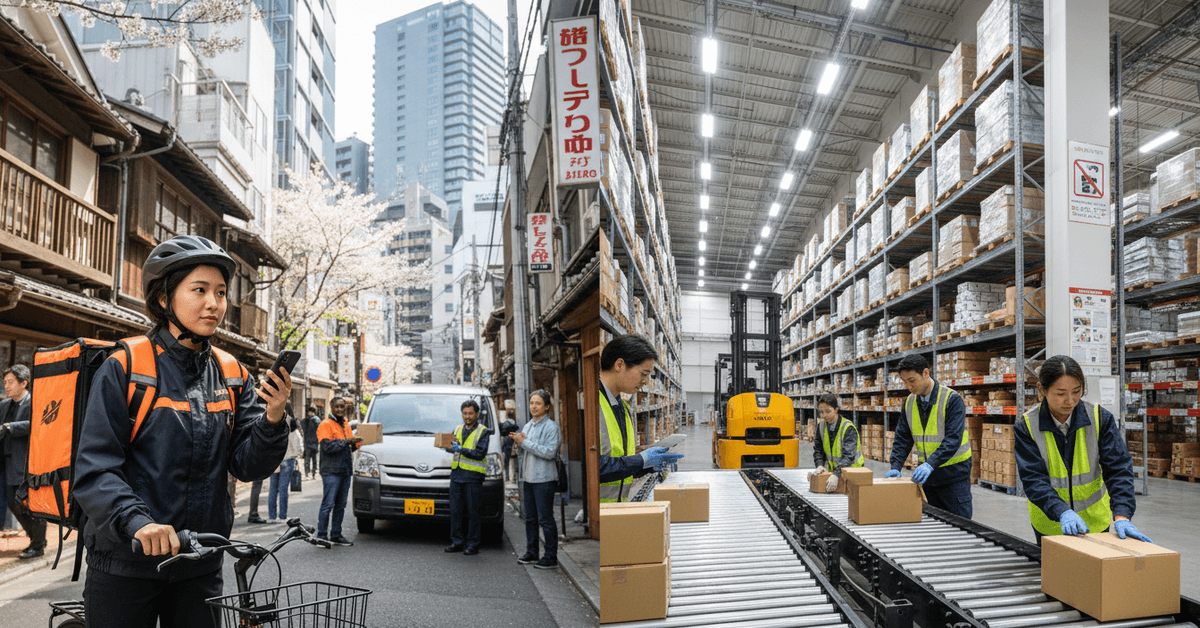
Main Types of Non-Japanese Roles
For anyone with little to no Japanese skills, two primary categories pop up most often: delivery drivers and warehouse operatives. Both have their own quirks and practicalities to know.
Delivery Driver Jobs
Delivery roles in Japan split into various types—think food (Uber Eats, Wolt) and parcel delivery (Sagawa, Yamato, Japan Post). For bike-based gigs in particular, the sign-up process is often possible in English, and communication is rarely required beyond simple confirmations.
- Parcel couriers may require a Japanese driving license or international permit.
- Food delivery often only needs a smartphone and bicycle or scooter, with apps providing navigation in English.
- Peak hours—lunch and dinner—tend to offer the highest pay and most flexibility.
Warehouse and Packing Roles
Warehousing jobs range from picking-and-packing to inventory checking. Large fulfillment centers near international airports hire non-Japanese speakers regularly.
Visual instructions, team leaders, and routine shifts mean less stress about daily conversation challenges.
- Some warehouses pay a premium for nighttime or weekend shifts.
- Physical work; nonetheless many find it routine and straightforward once trained.
- Temporary contracts are common—try before committing long-term.
What Are the Main Requirements?
Although these jobs rarely need advanced language, some paperwork and personal traits are necessary. Japan has rules—and rarely do they bend for anyone, local or international.
Work Visa or Permission
A valid visa is non-negotiable. That could mean a student visa, a working holiday, or sponsored employment. Some employers will help, but most expect this to be arranged before applying. For short-term positions, a stamped permit usually suffices.
Age and Health Conditions
Most positions require applicants to be at least 18 years old. Basic health is important, since the jobs can involve long hours standing, lifting, or cycling. Routine health exams may follow, especially in larger firms or those complying with labor regulations.
Simple Background Checks
While perhaps less stringent than in some sectors, warehouse and delivery jobs may include basic checks for recent criminal records, especially within company premises.
Smartphone Literacy
For gig-economy roles, some ability to handle apps and location services is necessary. Instructions might be visual, but tech hiccups can happen if you’re unfamiliar with the platforms.
How to Find Jobs Without Japanese Skills
While job boards exist in Japanese, several resources cater to foreign job-seekers. Some also offer English-language support, which makes the whole thing less intimidating than it might appear at first glance.
English-Friendly Job Boards
- GaijinPot Jobs offers delivery and warehouse positions searchable by language requirement.
- JobsInJapan.com lists roles with minimal Japanese needed, often in logistics or fulfillment.
- YOLO Japan occasionally features part-time and full-time gig opportunities for foreigners.
Direct Platform Applications
- Uber Eats and Wolt accept applications in English, though onboarding sometimes includes a short in-person or video session.
- Large fulfillment companies (Amazon Japan, Rakuten Seiyu) recruit through temp agencies who can provide language support.
Networking in Expat Communities
Foreign communities in cities often share job leads via social media groups. While nothing is guaranteed, a friendly connection or shared tip can sometimes reveal openings before they’re posted widely.
Typical Work Environment and Expectations
These jobs aren’t usually glamorous, but their work culture has both advantages and occasional quirks worth noting for non-Japanese workers. Some adjustments may be needed along the way.
Physical Demands
One aspect not everyone anticipates: the work can be repetitive, and sometimes physically rugged.
Carrying boxes, riding a bike in rain, or handling long shifts might take a physical toll. Break times are regulated, though—Japan takes compliance seriously.
Schedule and Pay Considerations
Shifts vary; warehouse jobs may offer early mornings, late nights, or daytime schedules. Gig-based delivery tends to be more flexible but less predictable day-to-day.
Hourly rates typically range from ¥1,000–¥1,500, with higher rates on nights/holidays, but exact pay depends on city and contract type.
Multinational Teams
Unlike typical office jobs, these roles often involve diverse teams—Japanese, Vietnamese, Filipinos, Chinese, and occasionally Westerners. This diversity can foster a sense of camaraderie even for those newly arrived.
Limitations and Career Progression
For all the positives—entry-level jobs, flexible schedules—the roles aren’t without ceilings. Advancement tends to require Japanese proficiency, particularly for management, scheduling, or client/customer contact.
Skill Growth and Language Upskilling
Some discover a gradual improvement in their Japanese through daily routines—numbers, basic greetings, or location names—but sustained advancement generally requires extra study.
Companies rarely provide language training, so self-development is advised for longer-term residents wanting more responsibility.
Contract Nature and Stability
Many warehouse and delivery jobs are contract-based or hourly, which can make long-term planning uncertain. This suits some—especially students or those between careers—but might not meet everyone’s stability needs.
Legal and Workplace Etiquette
An unfamiliar labor landscape sometimes leads to uncertainty. For foreigners not used to Japan’s strict work norms, clarity around contracts, pay cycles, and conduct is essential.
Contracts and Documentation
Always double-check the contract. It should include pay, shift times, overtime rules, and leave policy. Asking for an English summary isn’t unusual, especially with international employers. Japanese law protects against gross exploitation, but details still matter.
Tax and Social Insurance
Income tax and health insurance contributions are typically deducted automatically, even from part-time wages. Foreigners, including short-term staff, are usually subject to these deductions. Keeping pay stubs is advised for future visa or banking needs.
Workplace Manners
Punctuality, tidiness, and polite greetings—these go a long way in every Japanese workplace. While many colleagues are also non-native, showing respect for the routines, even if they feel foreign, is positively noted by staff leads.
Conclusion
Working in Japan without Japanese can still be possible through delivery and warehouse jobs, especially where tasks are practical, routine-based, and supported by team training.
However, basic communication skills, reliability, and willingness to learn simple workplace Japanese can make a big difference. With realistic expectations and preparation, these roles can become a useful first step into Japan’s job market.