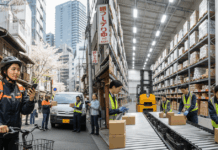

For many people, Japan's night shift jobs offer unique flexibility and a decent wage, whether you speak English, Japanese, or both.
If you're looking for extra income, work experience, or simply want to explore different careers, night shifts at convenience stores and delivery services could be worth considering.



Many find this path surprisingly rewarding, though it may not suit everyone. Let's dig into why these jobs are popular, who tends to benefit, and how you might get started.
Why Night Shift Jobs in Japan Are Popular
Japan's late-night economy is vibrant. Convenience stores and delivery services run around the clock, creating steady demand for staff.
Some people are drawn in by higher hourly wages, while others seek out the quiet, less-crowded work environment that night shifts provide.
It's also possible to combine these roles with language learning—plenty of workers use their shifts to improve Japanese or help tourists in English.
Higher Hourly Wages
One key draw is financial. Most night shift jobs pay a premium hourly rate compared to daytime positions. The difference often ranges from 25% to 50% above the base wage, which, honestly, can add up quickly over time.
Flexible Schedules
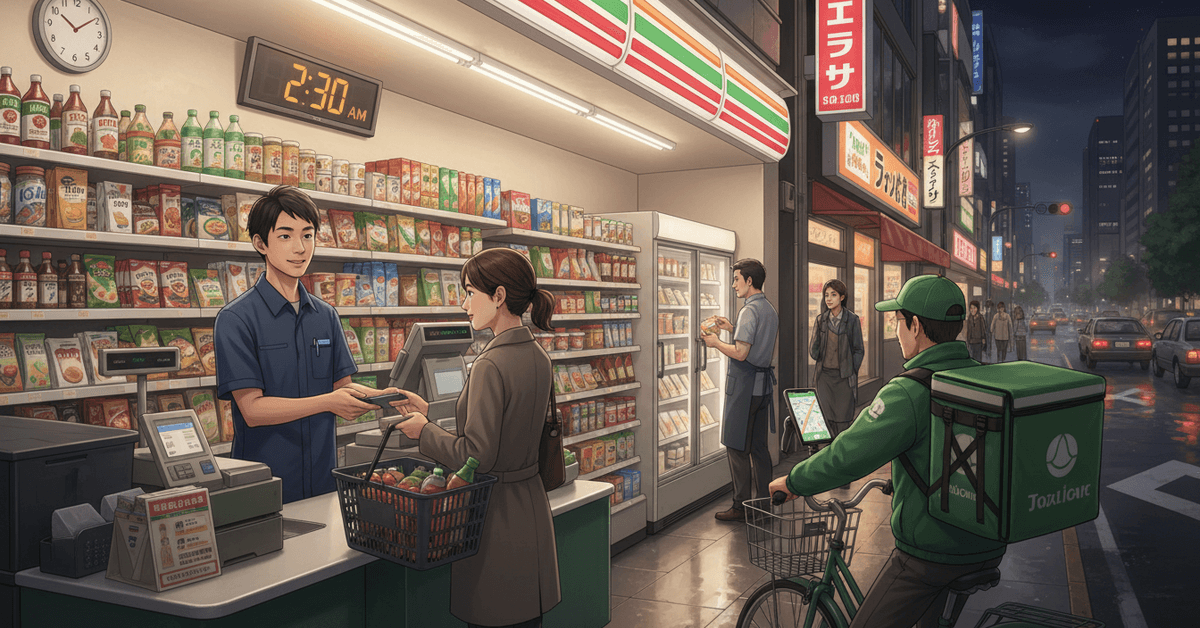
It's not just about money, though. Night work lends a certain flexibility. People who have daytime obligations—like language classes or family care—may find night shifts the only realistic option. Part-timers, students, or those with two jobs tend to value this flexibility a lot.
Lower Customer Volume
Sometime after midnight, there's a noticeable dip in customer flow. This means quieter periods, lighter duties, and a less hectic pace, which many appreciate, though it can also mean stretches of boredom. For some, that's a plus.
Types of Night Shift Jobs in Japan
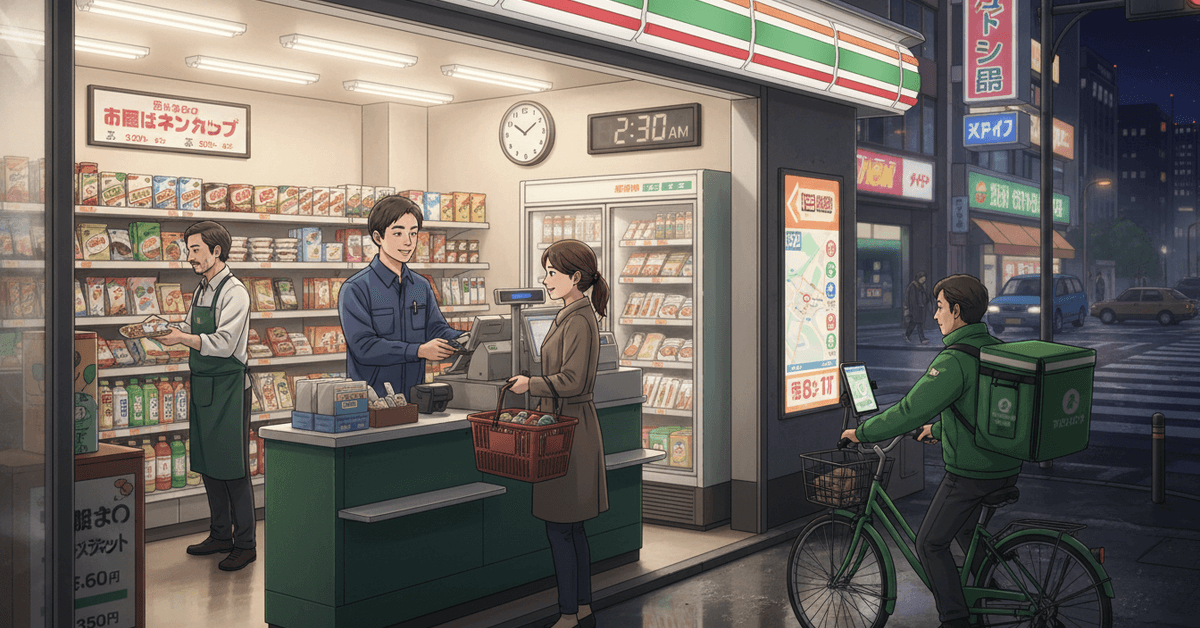
When talking about night shift work in Japan, convenience store and delivery jobs are two of the leading sectors. Both offer slightly different daily rhythms and skill requirements, and each comes with its own culture and expectations.
Convenience Store (Konbini) Night Shifts
With nearly 60,000 konbini (like FamilyMart, 7-Eleven, and Lawson) across Japan, these stores are always looking for night staff. Tasks range from stocking shelves and tending the register to cleaning and light food prep.
There's a unique routine to it: the first few hours are sometimes busier with late-night shoppers, but things usually quiet down quickly.
Delivery Services (Food & Parcel)
Food delivery platforms (Uber Eats, Demae-can) and parcel services (Yamato, Sagawa) also operate deep into the night in many cities.
Delivery work combines physical activity with time management skills. While demand can be sporadic, weekends and special events often mean a steady stream of orders.
Requirements for Night Shift Jobs in Japan
Each employer sets their own rules, but certain expectations rarely change. Here's what most employees might need to be aware of.
Legal Work Eligibility
Your visa must allow for employment—most part-time workers are on student or dependent visas, while full-time roles require appropriate status. Japan is strict about labor documentation, so it's not wise to take shortcuts here.
Basic Language Skills
Convenience stores often require at least conversational Japanese for customer interaction, while delivery gigs might be more flexible. Still, even a little English can be valuable in areas with heavy tourism, so being bilingual pays off more than one might expect.
Physical Endurance
Both roles can be tiring, especially in the later hours. Delivery jobs sometimes involve cycling or walking—for several kilometers. Staying alert is crucial for safety, whether you're maneuvering a register or navigating city streets on a bike.
How to Apply for Night Shift Jobs
Securing a night shift job in Japan may sound daunting, but the process is generally straightforward.
Many employers display notices in-shop, while others post listings online (in Japanese and sometimes English). It helps to prepare a Japanese-style resume (rirekisho) and, for delivery roles, a valid driver’s license or proof of bicycle ownership may be needed.
Typical Hiring Process
- Submit application (online, in-store, or via app)
- Initial interview, often very brief
- Document verification (ID, work visa, bank info)
- Short training period (usually paid)
Patience pays off. Sometimes, response times vary a lot across locations—if you don’t hear back, it’s rarely personal. Spots often open unexpectedly, so following up once is reasonable.
Skills You Develop in Night Shift Work
Night jobs, by their very nature, encourage certain skills—fast. Multi-tasking might be one; time management is another.
Those late, empty hours sometimes mean you become your own supervisor, at least temporarily. If you’re new to Japanese workplaces, these jobs can also help you gradually get used to workplace etiquette and communication norms.
Customer Service Experience
Even when customer numbers are low, good service remains critical. Small mistakes, like giving incorrect change, show up more clearly at night, when distractions are fewer. Some nights might pass smoothly, others less so, but each teaches something useful.
Language Improvement
There’s perhaps no substitute for immersion. Night staff sometimes have more relaxed conversations with regulars or co-workers—an easy, non-pressured way to improve Japanese or teach some English, depending on your strengths.
Challenges of Working Night Shifts
While there are benefits, night shift work comes with its own difficulties. It's common to hear that sleep patterns may become irregular, especially at the start. Physical fatigue can be significant, too—although some people hardly notice. Social life sometimes suffers, simply because friends and family keep different hours.
Health and Sleep Considerations
It’s important to pay attention to health. Eating well, staying hydrated, and prioritizing sleep (even if it means naps at unusual times) can reduce the strain. Sometimes employers offer tips, but ultimately, everyone finds their own rhythm—eventually.
Workplace Safety
Generally, Japan is quite safe, even late at night. However, night shifts always carry slightly higher risks of accidents or, rarely, troublesome customers. It’s fair to say most workplaces watch out for staff, with security systems and good training, but if a situation feels off, raising it early usually helps.
Average Earnings for Night Shift Work
Pay varies by location, employer, and even season. In metropolitan areas, hourly wages for convenience store night shifts usually start from ¥1,200–¥1,500, sometimes more.
Delivery work, being less predictable, may pay by order or hour. Some workers quietly admit that actual earnings can fluctuate a lot. Still, for many, it’s a sustainable side income or even a primary job.
Typical Wages by Job Type
- Convenience Store: ¥1,200–¥1,600/hour
- Food Delivery (per order): ¥400–¥900
- Parcel Delivery: Hourly or by task, often with bonuses
Legal and Tax Considerations for Foreign Workers
Legally, foreign nationals should always have the correct visa type and adhere to its working hour restrictions. Japanese tax rules require some reporting even for part-timers. Many employers offer guidance, but ultimately each worker is responsible.
Visa Restrictions
Students (with permission) can work up to 28 hours per week, with possible extensions on holidays. Full-time foreign residents usually face fewer restrictions, though particular jobs may still require specific certifications or background checks.
Taxes and Health Insurance
Income earned, even from night shifts, is subject to Japanese taxes if it exceeds the annual threshold. Workers may need to register for national health insurance, and contributions often come out automatically. If you’re ever unsure, many city offices provide information in English and Japanese.
Which Cities in Japan Have the Most Opportunities?
Tokyo, Osaka, and Nagoya lead the way for night shift vacancies, partly due to their 24-hour lifestyles. Still, suburban and rural areas with major roads or station hubs may also need night staff. Every region has its quirks—urban stores attract more foreigners, while in smaller towns, Japanese fluency is often more essential.
Tips for Succeeding in Night Shift Jobs
- Maintain a steady sleep routine—even if it means sleeping during daylight hours
- Stay organized: check shift schedules weekly
- Prepare quick, healthy snacks to keep energy up
- Keep a light jacket or sweater handy—many stores get cold at night
- Learn basic workplace Japanese phrases to build rapport