

If you are job hunting in Japan without native-level Japanese, FamilyMart is probably on your shortlist. And for good reason.
The stores are everywhere. The shifts are flexible. And the hiring bar is lower than at many corporate jobs, which makes it a real entry point into Japan's workforce for students and newcomers alike.



I genuinely think FamilyMart is one of the more underrated job options for foreigners living in Japan, not because it is glamorous, but because it works. Flexible hours, manageable tasks, and a paycheck you can count on every month.
This guide covers what the job actually looks like, what you get paid, and how to land the position without drowning in paperwork.
Why FamilyMart Is Worth Considering for Work in Japan
The Store Count Works in Your Favor
FamilyMart has thousands of branches across Japan, spread across major cities and smaller towns alike. That density matters when you are job hunting. The odds of finding a location near your apartment, university, or train line are genuinely high.
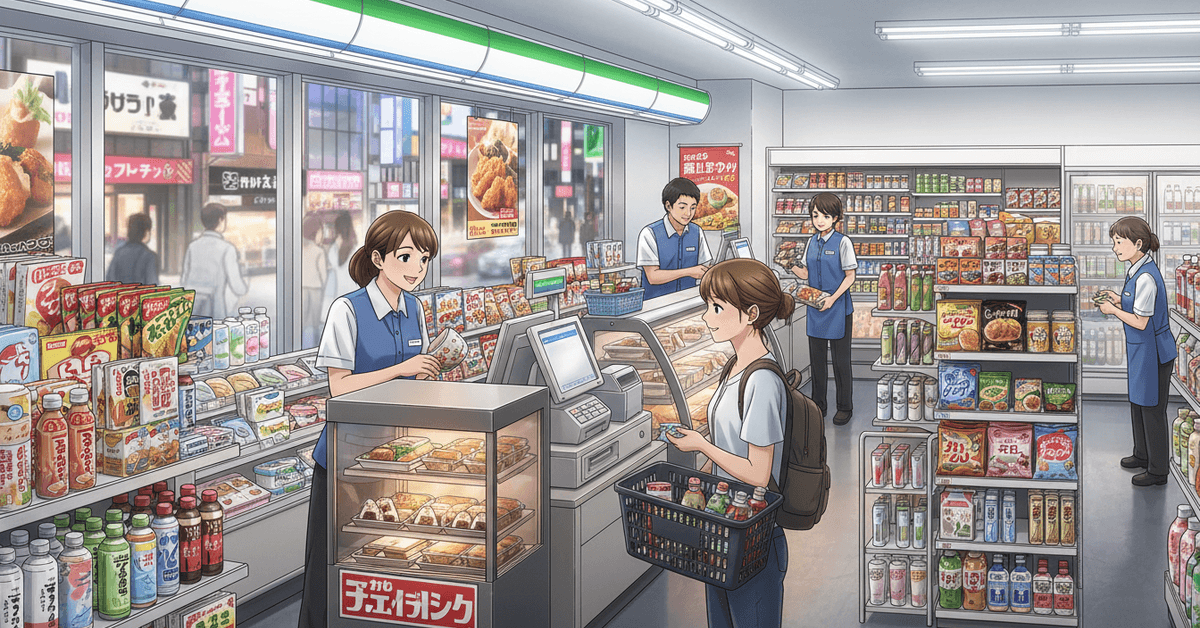
Convenience stores by design never close. That 24/7 operation creates a wide range of shift options: early morning, late night, weekday, weekend.
For students balancing classes or parents working around school pickup times, that scheduling range is a real advantage.
Is FamilyMart Beginner-Friendly for Non-Japanese Speakers?
I would say yes, with caveats. Stores near major train stations or in areas with high foreign foot traffic tend to be more open to applicants still learning Japanese. Some locations have bilingual staff who can help new hires settle in.
Away from tourist hubs, though, conversational Japanese at around JLPT N4 or N3 level is often expected. Stores vary widely on this, so it is worth asking before you apply.
What the Work Actually Looks Like Day-to-Day
The Core Tasks Are Straightforward
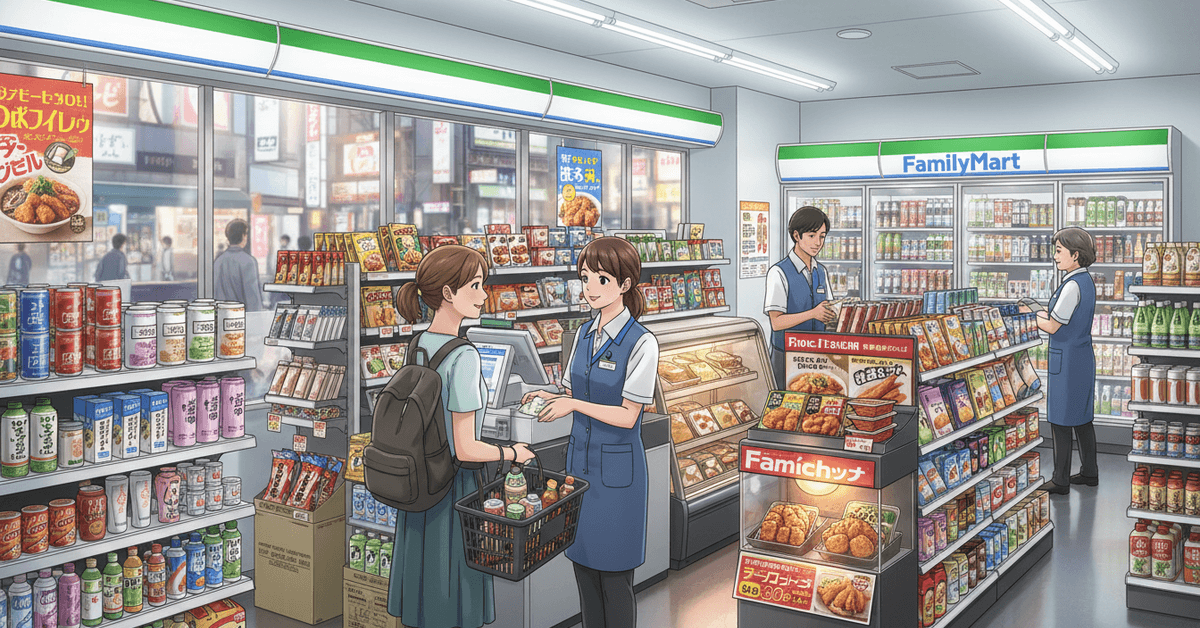
Most shifts involve operating the cash register, restocking shelves, keeping the store tidy, and handling customer transactions. If someone has bought anything at a convenience store, they have seen this work from the other side of the counter.
Some roles also include food prep: things like fried chicken or bento items that FamilyMart is known for. Supervisors walk new hires through the safety standards and quality checks, so prior experience is not required.
Cleaning Is a Bigger Part of the Job Than New Hires Expect
I think this is the part that catches people off guard. Cleaning is not occasional. Wiping surfaces, emptying trash, and maintaining restroom hygiene are regular expectations on every shift.
FamilyMart's cleanliness standards are strict, and stores are held to them consistently. New hires who treat this as a lower-priority task tend to get feedback quickly. Treat it like the main job, because in practice, it kind of is.
FamilyMart Pay Rates and Shift Incentives in 2026
What You Can Expect Per Hour
As of recent rates, FamilyMart's hourly pay typically falls between ¥1,050 and ¥1,250, depending on location. Tokyo and other high-cost cities tend toward the higher end. Smaller towns may sit closer to local minimum wage.
| Shift Type | Typical Hourly Rate | Notes |
|---|---|---|
| Daytime (standard) | ¥1,050–¥1,150 | Most common for new hires |
| Night shift (10pm–5am) | Up to 25% premium | Significant pay bump |
| Seasonal overtime | Varies | Available during holidays, Golden Week |
Night shifts are worth considering if your schedule allows. The premium can reach up to 25% more per hour, and those hours stack up fast if you work them consistently.
Can You Get a Raise?
Reliable workers sometimes see hourly increases after several months or after their first year.
Raises are modest and not guaranteed, but consistent performance is usually noticed. Seasonal peaks like Golden Week or national holidays may also create short-term overtime opportunities.
What FamilyMart Actually Requires to Hire You
Language, Legal Status, and Soft Skills
The requirements are not complicated, but they are non-negotiable in a few areas.
Legal working status is the firm one. Applicants must have authorization to work in Japan. A student visa with work permission works for part-time hours.
A proper work visa covers standard employment. Some stores assist with certain documentation questions, but do not count on it.
Language ability depends on location. Stores in central Tokyo or Osaka may accept applicants who can manage basic transactions. Regional stores often expect at least conversational Japanese.
A JLPT N4 level is a reasonable floor to aim for if you want real options across multiple locations.
Soft skills matter more than they look on paper. Punctuality, respect for hierarchy, and a calm approach to difficult customers go a long way in Japanese convenience store culture.
These are not formal requirements, but they affect how quickly a new hire integrates and whether management extends their contract.
My Contrarian Take on Language Requirements
I genuinely disagree with the advice that tells newcomers to wait until their Japanese is solid before applying to convenience store jobs.
The stores near tourist areas, transit hubs, or international university campuses are often fine with basic Japanese, and working in the environment is one of the fastest ways to improve.
Waiting for language fluency before applying means waiting for something that improves faster on the job than in a classroom. Apply at a store where the environment suits your current level, and treat the work itself as the accelerator.
The Application Process, Step by Step
Getting a FamilyMart job does not require a lengthy recruitment process. The timeline from application to first shift is usually short.
- Find the listing: Check the official FamilyMart recruitment page or job boards like GaijinPot for English-language listings
- Choose your location: Apply to a store that fits your commute, schedule, or language comfort level
- Prepare a rirekisho: This is Japan's standard resume format, handwritten or typed, available at most convenience stores and stationery shops
- Submit in-store or online: Many stores still take walk-in applications, and an in-person visit can speed up the process
- Wait for interview notice: Most stores respond within 7 days
- Short interview with the manager: Expect basic questions about availability and experience
- Result by phone or email: Usually quick once the interview is done
One thing worth knowing: walking into the store directly and asking about openings still works in Japan.
Some stores post notices on their windows or near the register. That low-tech approach can sometimes get you in front of a manager faster than applying through an aggregator.
Honest Pros and Cons of FamilyMart Work
Advantages:
- Shifts that fit around school, family, or other commitments
- Easy access across Japan regardless of where you live
- Routine training that does not require prior retail experience
- Some locations have multilingual or internationally mixed staff
Challenges to factor in:
- Long periods standing throughout every shift
- Customer-facing work means absorbing difficult interactions with patience
- Pay is entry-level, with slow and modest progression
- Shift scheduling can shift unpredictably around store needs
Legal and Tax Rules Foreign Workers Need to Know
Hour Limits on Student Visas
Student visa holders can work up to 28 hours per week during term time and up to 40 hours per week during school holidays. Exceeding those limits is a visa violation, not just a minor HR issue. Know your cap and track your hours.
Taxes and Social Insurance
For part-time workers, small income tax amounts are typically withheld automatically. Working higher hours may trigger social insurance deductions.
The specifics depend on total annual income and employment classification. Confirming with the store's HR team or a local employment resource before extending hours is worth the conversation.
Keep a copy of your residence card and work permit accessible. Some stores require periodic paperwork renewal depending on local regulations.
Questions People Ask About FamilyMart Jobs in Japan
Q: Do I need to speak Japanese to work at FamilyMart? Not always. Stores near transit hubs, universities, or tourist areas often hire applicants with basic Japanese ability. Stores in smaller cities or suburban areas tend to expect N4 or N3 level conversational fluency. Calling ahead to ask is a faster filter than reading the job listing alone.
Q: How long does the FamilyMart hiring process take? Most applicants hear back within 7 days of applying or visiting in person. The interview is typically a short conversation with the store manager focused on availability and attitude rather than formal qualifications. Start-to-first-shift can happen within two weeks.
Q: Can foreigners on a student visa work at FamilyMart? Yes, as long as the visa includes work permission, which most student visas in Japan do with a cap of 28 hours per week during term. Confirm your visa type and current authorization before starting work.
Q: Are night shifts worth it at FamilyMart? The night shift premium can reach up to 25% more per hour than daytime rates. For anyone whose schedule can accommodate 10pm to 5am shifts, the extra income adds up meaningfully over a month. The tradeoff is disrupted sleep and fewer people in the store to ask for help when things get busy.
Q: Is the work physically demanding? More than it looks from the outside. Every shift involves standing for the full duration, frequent movement between the register, shelves, and back areas, and cleaning tasks on top of service work. People who have done similar retail or food service work usually adjust faster.
Conclusion
Working at FamilyMart is a reasonable starting point for anyone building a life in Japan. The pay is modest but steady, and the schedule flexibility is hard to find in other entry-level work.
Getting your paperwork in order before applying makes the whole process move faster. A store near your daily route is almost always hiring, so the gap between deciding to apply and actually working is shorter than people expect.