

Considering a part-time job , or ‘ arubaito ’, in Japan? This guide will help you understand the essentials, from job types to application tips.
It’s designed for students, expats, and anyone curious about working while living in Japan. The focus is on practical knowledge, so you can make informed choices and perhaps enjoy a smoother transition into Japanese work life.



Understanding 'Arubaito': What Does It Mean?
The word ‘arubaito’ (アルバイト) is borrowed from the German 'Arbeit', meaning work. In Japan, it refers to part-time jobs, usually temporary or flexible roles.
Many internationals, especially students, seek arubaito to gain income and exposure to everyday Japanese society.
Depending on your language skills and visa status, your options might differ slightly. But there’s a surprising variety available—even for non-fluent speakers. Perhaps it’s less intimidating than one might expect.
Why Consider a Part-Time Job in Japan?
Taking an arubaito can offer more than just extra money. Here are several benefits for residents, students, and newcomers:

- Cultural immersion: It’s a practical way to get to know Japanese work culture and etiquette up close, not merely as an observer.
- Language skills: Even beginner-level jobs encourage everyday conversation practice.
- Networking: Regular interaction with co-workers may open up new social or career opportunities.
- Personal growth: Managing time, responsibilities, and even making mistakes—these all add to your toolkit.
Of course, for many, the biggest motivation is to supplement income. Japan can be expensive. Even minor roles can help defray daily costs, though this varies depending on location and job type.
Popular Part-Time Job Types for Foreigners
Some part-time jobs are especially common among foreign nationals and students. Each has its own appeal and requirements. Here are a few to consider:
Convenience Store Staff (Konbini)
These jobs involve stocking shelves, cashier duties, and helping customers. Basic Japanese is nearly always required, but the pace is manageable in many locations. Some say it’s a good way to pick up useful phrases naturally.
English Conversation Teacher
Teaching private lessons or working at ‘eikaiwa’ (英会話) schools is a frequent choice for fluent English speakers.
Demand is higher in urban settings, and rates can be favorable if you’re experienced. Sometimes, opportunities arise even for those without teaching backgrounds.
Restaurant and Café Work
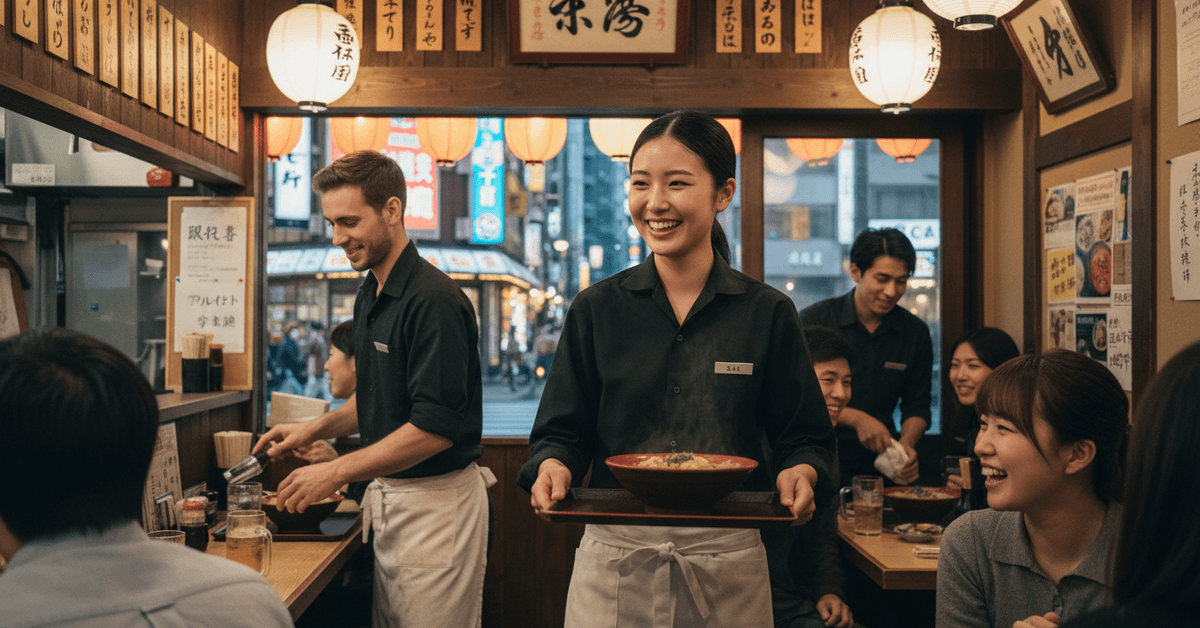
Waiting tables, kitchen assistance, or dishwashing—food service positions are everywhere. Given their social nature, these jobs can be lively yet sometimes require above-average Japanese language ability, depending on the client base.
Hotel and Hospitality
Tourism-related jobs sometimes seek English speakers, especially in popular destinations. Housekeeping or front desk roles are common, though some Japanese is typically needed to communicate with staff and guests.
Factory and Light Industrial Work
If interaction isn’t your strong suit, factories often look for temporary help with sorting, packing, or assembly. Many such roles are open to those with limited Japanese skills. Wages may fluctuate, and hours could be irregular.
Basic Requirements for Foreigners
The requirements for foreign workers are quite structured. These are the key points to be aware of:
- Visa status: Most student and dependent visa holders may work up to 28 hours per week (and up to 40 hours during school breaks), but only after obtaining “Permission to Engage in Activity Other Than That Permitted by the Status of Residence Previously Granted” from immigration.
- Language proficiency: Many part-time jobs require at least conversational Japanese, though a few may accept beginners or fluent English speakers (especially teaching or tourism roles).
- Residence card (Zairyu Card): Employers will almost certainly want to see this, confirming your right to reside and work in Japan.
Some companies might prefer hiring people already familiar with local work rules. It's helpful to prepare supporting documents or proof of language proficiency if possible.
How to Find Part-Time Jobs in Japan?
There’s no single path to finding arubaito. More avenues have opened recently, especially online. Here’s a look at where and how people are typically searching:
Online Job Boards
Websites like GaijinPot Jobs, Daijob, and TownWork list thousands of part-time jobs. Some sites are available in multiple languages, which helps if you’re just getting started.
It might take patience to filter through suitable matches. Sometimes it’s surprising how broad the range is.
University Noticeboards and Career Centers
For students, on-campus boards and university-affiliated job placement services can be a goldmine. Employers often approach universities directly to find bilingual or international students.
Direct Application
Showing up in person at local restaurants, cafes, or konbini still works in many neighborhoods. A handwritten resume (rirekisho) and professional attitude go a long way, even for lower-skilled jobs. Don’t be surprised if the process is simpler—and sometimes more informal—than expected.
Networks and Word-of-Mouth
Personal connections and recommendations matter in Japan. Many people find opportunities through friends, classmates, or professors—sometimes before jobs are posted online.
What to Expect from the Application Process?
Applying for arubaito jobs typically follows a predictable pattern, though a few unique practices might stand out if you’re new.
A standard resume—rirekisho—is almost always required. These are typically handwritten in a specific format, widely available at stationery shops.
After submitting your application, you’re likely to have a brief in-person or online interview. Be prepared with polite greetings and straightforward answers about your availability and language level.
Some employers may assess basic Japanese during the conversation, but experience varies. Waiting to hear back can feel uncertain, though decisions tend to be swift.
Tips to Improve Your Chances
- Prepare a neat and complete resume. Rirekisho with clear writing and no mistakes tend to make a positive impression.
- Practice some simple interview Japanese. Even basic greetings and phrases go a long way to show respect and effort.
- Apply broadly, but don’t get discouraged by rejections. The process can take time, especially in busy cities where competition is strong.
- Check job restrictions on your visa. Sometimes restrictions change. Double-check before accepting a new role or switching jobs.
Not every attempt will succeed, but each one gives you a bit more experience.
Wages and Working Conditions
Minimum wage in Japan varies by region, typically ranging from 900 to 1,100 yen per hour. Tokyo and urban centers offer slightly higher rates.
Benefits and overtime policies may surprise newcomers—extra pay for late-night or holiday shifts is common.
It’s worth mentioning that workplace etiquette and dress codes tend to be strict. You might be asked to wear a uniform or adhere closely to formal standards.
On the other hand, many employers are understanding with first-time workers, as long as you show consideration and respect.
Legal and Tax Considerations
All income earned through arubaito must be correctly declared in Japan. For students and part-time workers, exceeding the allowed hours or violating visa terms may have serious consequences—including deportation or loss of student status.
Income under 1,030,000 yen annually is generally below the taxable threshold for residents, but tax rules change so it’s a good idea to keep records and check each year.
Health insurance and pension contributions may also be deducted from pay if you cross certain earning levels.
Violating the terms of your visa or working without appropriate permissions could pose legal risks, so it’s worth seeking advice if unsure. Information is available via Japan Immigration Services Agency or reliable expat resources.
Adapting to Japan’s Part-Time Work Culture
Each workplace culture has its quirks. In Japan, punctuality and politeness are crucial in most settings, even casual jobs.
Saying “otsukaresama desu” at the end of the shift or bowing to greet supervisors might feel unfamiliar, but colleagues likely appreciate such gestures.
Adapting takes time. Some days will feel rewarding, others exhausting. But after a few months, people often notice real growth in their confidence—maybe even an appreciation for subtleties of Japanese teamwork and hospitality.
Final Thoughts on Arubaito Jobs
Arubaito work in Japan can be a practical option for students, expats, and newcomers who want income and cultural experience.
The process requires attention to visa rules, language expectations, and workplace manners. Applicants should prepare documents carefully and apply through reliable channels.
With patience and consistency, part-time work can help build confidence, skills, and local experience.