

Delivery services continue to grow rapidly in Japan, with strong demand for efficient logistics. For those searching for Sagawa delivery driver jobs in Japan, there’s more to consider than just driving.
This guide discusses job opportunities, required skills, earnings, and key points for both English and Japanese speakers.



It's designed for people thinking about starting a delivery career, newcomers to Japan, and anyone exploring stable, practical work with flexible schedules.
Why Choose a Sagawa Delivery Driver Job in Japan?
Many are drawn to Sagawa Express, one of Japan’s largest transport companies, because of its brand recognition and reach. There’s a wide variety of job types, from local delivery routes to cross-prefecture logistics.
Drivers benefit from competitive hourly wages compared to other entry-level jobs in Japan. But perhaps the real advantage lies in job security and the transparent work structure.
Strong Demand for Logistics Workers
With more online shopping and business shipments, reliable delivery is essential. Companies like Sagawa face daily requests for new couriers, especially in and around large cities—Tokyo, Osaka, and Nagoya are especially active areas for hiring.
Stable Work and Clear Growth Paths
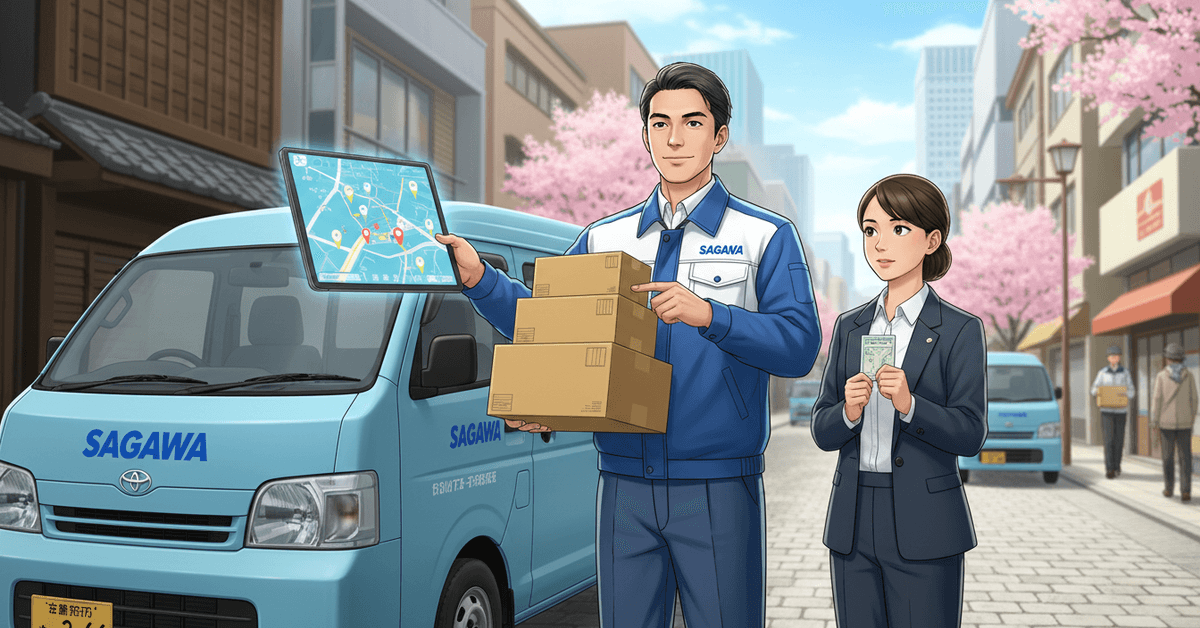
Some companies promise stability, but Sagawa’s long history in Japan and direct contracts help keep employment secure.
As someone aiming for growth, you might find opportunities for promotions or specialized driving positions over time. Advancement often depends on performance and, occasionally, language ability.
Flexible Shifts and Location Choices
Schedules usually have some leeway. Early morning, daytime, or even weekend-only shifts are available.
This flexibility appeals to students, side-job seekers, and people with other commitments. Finding locations close to home can make the work-life balance even better.
Main Requirements for Becoming a Sagawa Delivery Driver
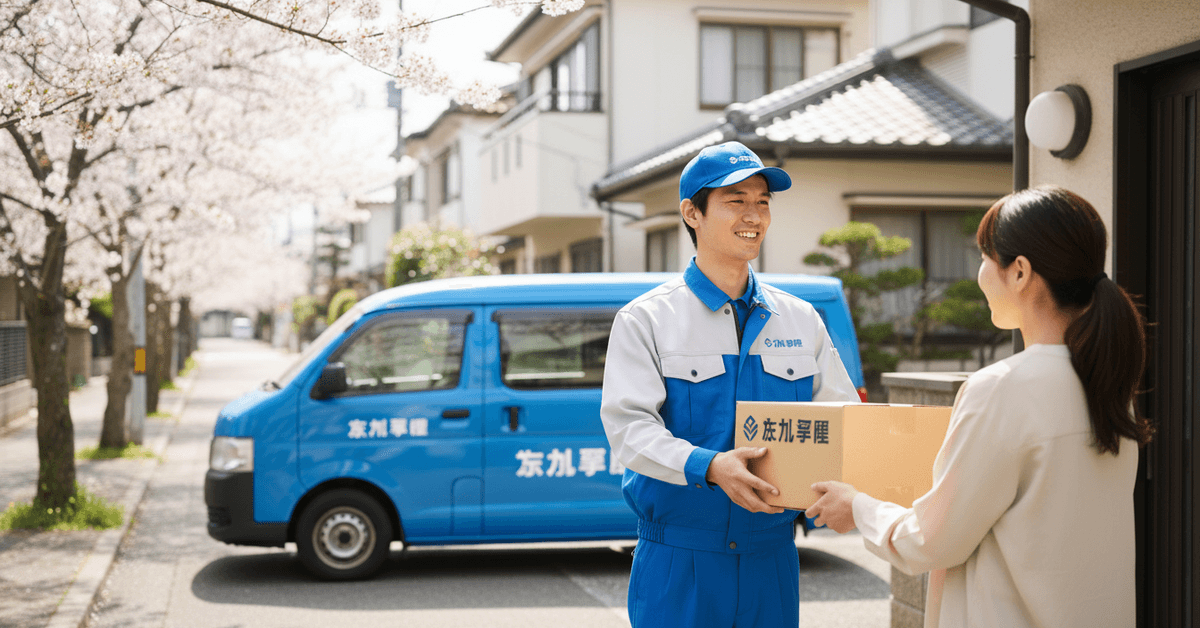
Before applying, it’s important to look carefully at the typical criteria for these jobs. Requirements do differ a bit between regular full-time positions and casual (part-time) roles.
Valid Driver’s License
The most basic qualification is having a standard Japanese driver’s license (普通自動車運転免許).
In some cases, you may need a manual transmission license for larger vehicles. Foreign licenses sometimes work, but require conversion through the Japan Automobile Federation.
Basic Japanese Communication Skills
Even if English is your strength, most Sagawa delivery jobs require at least conversational Japanese. Communicating with dispatchers, reading delivery slips, and talking with customers all require basic language ability.
Written scripts or help from apps can make this easier for non-fluent drivers, though there are always exceptions depending on the depot and area.
Physical Fitness and General Health
The job often involves heavy lifting—some packages are small, but others can be over 20 kg.
Regular lifting, walking, and carrying parcels require good stamina and a healthy back, so physical exams can be part of the hiring process. Being alert on the road is also vital.
Other Typical Requirements
- Minimum age (usually at least 18 years old)
- Eligibility to work in Japan (visa/resident status)
- Willingness to wear uniforms and follow company protocols
- Sometimes, background/reference checks
Key Benefits of Working With Sagawa [JP: 佐川急便]
Most job seekers want more than just a paycheck. Sagawa’s driver positions tend to come with added advantages that can make a simple job feel rewarding—at least, that’s the feedback from several employees I’ve spoken with.
Competitive Pay and Reliable Salary Structure
Hourly pay rates vary by location and shift, but are generally above the minimum wage. Full-time drivers might earn from ¥220,000 to over ¥300,000 monthly.
Overtime is frequent during busy seasons such as holidays. Some routes also include delivery bonuses or shift premiums.
Social Insurance and Benefits
Unlike some gig jobs, these positions typically include enrollment in the Japanese social insurance system (health, pension, unemployment, and workers’ compensation). Paid holidays and annual leave are also common for regular staff.
Safe, Professional Work Environment
Sagawa is considered a reputable employer. There’s structured training for new drivers and clear safety rules. Vehicles get regular checks, which means fewer surprise maintenance hassles.
Types of Sagawa Delivery Driver Jobs
Sagawa posts a variety of delivery positions. You might see several job listings—each carries unique requirements and perks, so it’s worth reviewing a few before deciding what fits best.
Standard Parcel Delivery
This is the most common type—delivering small to mid-sized packages to homes, shops, or businesses within a set area. Routes are familiar, which helps even newcomers learn quickly.
Corporate Client Delivery
Some drivers serve business-to-business needs with scheduled pickups and drop-offs. There’s sometimes less lifting, though more paperwork and precise timing. These roles suit those looking for a predictable day.
Long-Distance or Highway Trucking
Full-size truck licenses (中型免許 or 大型免許) are needed for these roles. Night shifts, longer routes, and higher pay come with more responsibility. Experience matters here, though some positions offer training for new commercial drivers.
Part-Time and Short-Term Gig Options
Seasonal and short-shift opportunities arrive during busy periods (such as Golden Week or New Year’s). These are suitable for students or anyone looking to supplement other work.
How to Find Sagawa Delivery Driver Job Listings
Now, this part often frustrates newcomers. It’s not always obvious where the latest jobs are, or which listings are truly current. Here are the standard methods that actual applicants use:
- Sagawa official careers page: The most accurate source for new positions and full-time/part-time filtering. All listings are in Japanese.
- Job boards: Japanese websites like Indeed Japan, Townwork, and Hello Work. Try searching using “佐川急便 ドライバー” or "Sagawa driver" as keywords.
- Direct inquiry: Walk-in at local Sagawa depots is still common in Japan for immediate, localized hiring.
- Recruitment agencies: These can help with paperwork, but may include fees or require longer-term commitment.
Application and Interview Process
Getting started feels more approachable if you’re ready for each step. Most applicants first submit an online or paper form and provide ID copies. After review, next steps often include:
Basic Document Review
Expect confirmation of your driver’s license, zairyu (residence) card, and—if relevant—your Japanese language ability.
Short Interview
Many say the process is friendly but structured. It centers on experience, health, and safety commitment. Sometimes there’s a driving skills check or simple road test.
Training and Onboarding
Accepted applicants undergo a mix of classroom and on-the-road orientation, including package handling and route mapping with GPS or local guides.
Not every company does this perfectly, but most stick to a core routine. Shadowing experienced staff is common, too.
What Daily Delivery Work Is Really Like
Daily driver life isn’t always easy. Weather, Tokyo traffic, and last-minute requests happen. But there’s lots of routine and, sometimes, moments of unexpected kindness from customers.
Most drivers have found that adapting quickly beats perfection—and relying on maps or route apps helps immensely.
Description of work varies. Sometimes you’ll finish early and help at the depot—other times you’re swamped by urgent packages. Some say it takes a few weeks to really get the hang of the timing. Routes can change, especially around peak seasons.
Potential Challenges to Be Prepared For
Let’s keep things honest. Some would say the pace is tough—even exhausting at times. Lifting is regular, and driver schedules are sometimes packed. Navigating Japanese work culture isn’t always simple for newcomers, especially if language skills are still basic.
Occasional delivery issues pop up—lost packages, customers not home, or weather-related delays.
While support is available, patience and a calm approach matter a lot. Not everyone adjusts quickly, but over time most drivers become surprisingly adept at multitasking and problem-solving.
Legal, Visa, and Tax Considerations for Foreign Applicants
Foreign nationals interested in Sagawa driver jobs in Japan need to consider some key points to stay compliant and safe:
- Visa type: Your residency status must allow you to work. Student visa holders are limited in hours. Spouse or permanent residents have more options.
- Driver’s license conversion: Foreigners will need to convert overseas licenses to a Japanese one, a process handled by local licensing centers.
- Tax obligations: Even part-timers must file for income tax annually. Some Sagawa contracts include support for necessary paperwork, though you’re ultimately responsible.
- Health and labor insurance: Full-time jobs usually enroll staff in all required social insurance programs. Double-check policies during orientation.
Frequently Asked Questions About Sagawa Delivery Driver Jobs
Are English-only applicants ever hired?
While rare, some depots in tourist-heavy areas may hire English speakers. Most positions require some Japanese skill. Using language learning apps can help bridge the gap for early-stage applicants.
Is experience required to get started?
Not always. Many beginners, especially those coming from other industries, are hired and trained from scratch. Prior jobs in delivery or logistics are useful but not mandatory.
What are the busiest periods?
End-of-year holidays, Golden Week, and summer o-Bon seasons are peak times for delivery. Overtime and seasonal bonuses become accessible during these months, which can boost earnings.
Potential Career Paths After Starting With Sagawa
It’s easy to think delivery driving is a dead end, but for some, that’s not true at all. Some drivers go on to become supervisors, route managers, or even transition into logistics administration over time.
Long-term employment can offer stability, but only if you’re ready to commit and learn as things change.
Conclusion
Sagawa delivery driver jobs in Japan can be a solid option for applicants who want stable logistics work, practical training, and steady daily routines.
Before applying, compare salary details, schedule expectations, physical demands, and license requirements. With preparation and reliability, this role can become a strong step into Japan’s delivery industry.