

Exploring Yamato Transport jobs in Japan opens up a world of reliable employment options. Well-known for its widespread “Kuroneko” delivery service, Yamato offers a stable career path for those who value structure and growth.
This article aims to guide international job seekers, English speakers, and locals considering a fresh career move.



Whether searching for entry-level roles, flexible part-time work, or established logistics expertise, the available positions have something for almost everyone.
Understanding what it’s like to work with Yamato Transport—and what it takes to succeed—could help unlock meaningful employment, financial stability, and perhaps even a new kind of work-life balance in Japan.
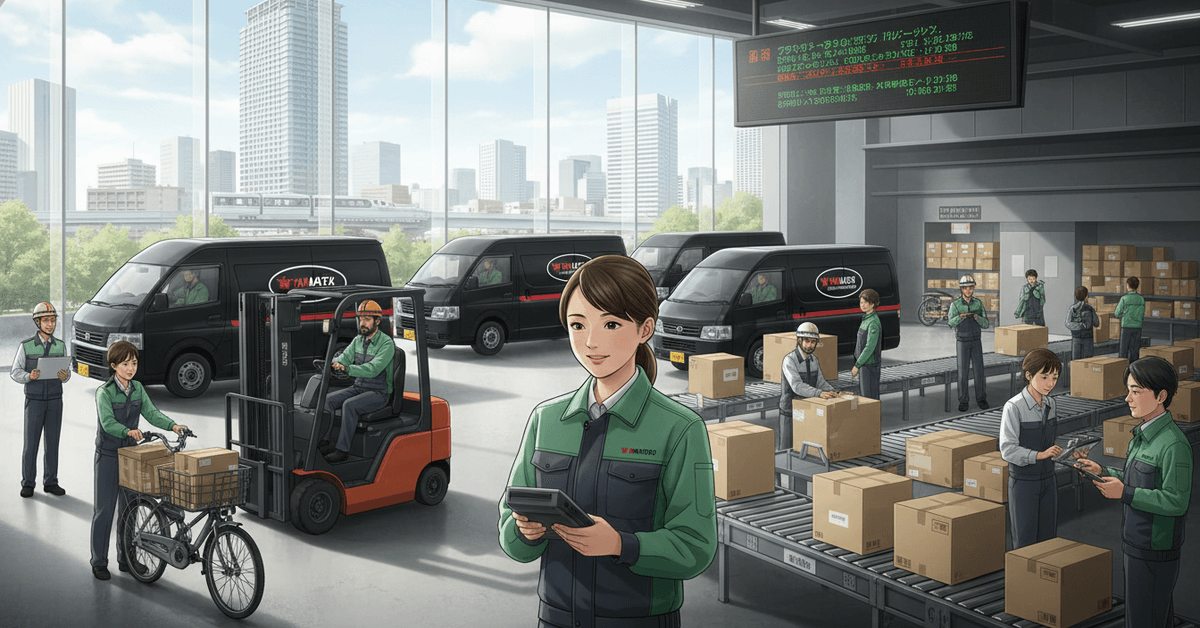
Yamato Transport: A Snapshot of Its Role in Japan's Economy
Yamato is among Japan’s leading logistics and courier companies. Over 200,000 people work in delivery and warehouse roles, making it a top employer across the nation.
The company’s signature black cat logo is familiar on city streets and rural roads alike. Every day, they handle millions of packages, from online orders to business deliveries—helping keep Japan’s e-commerce and retail sectors moving.
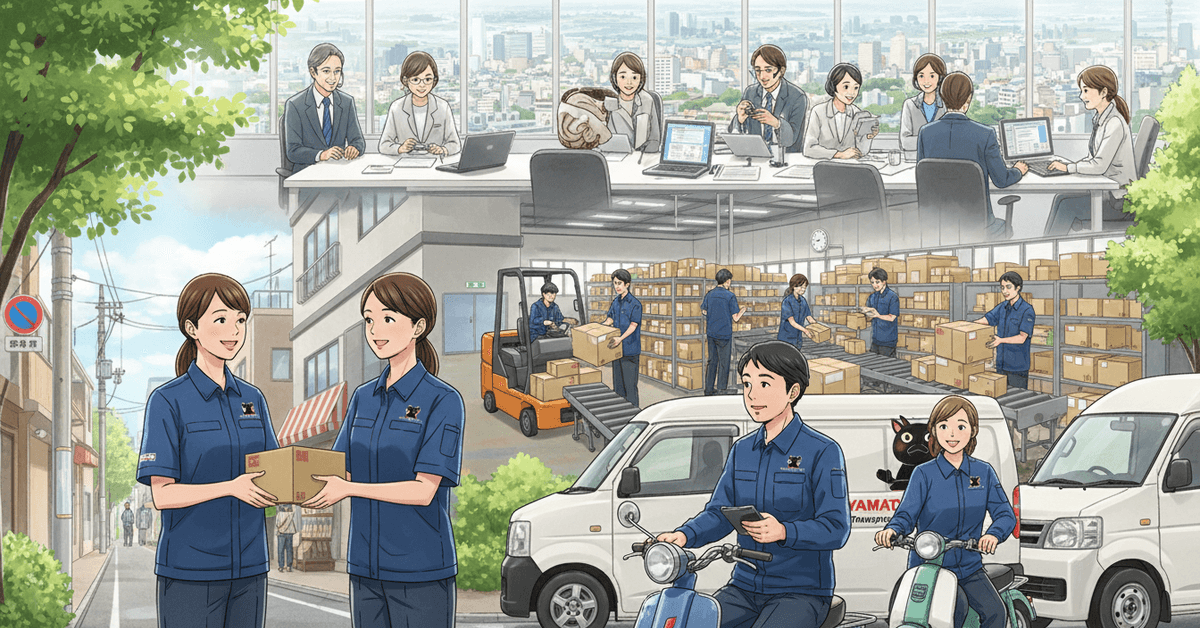
Types of Jobs at Yamato: Delivery, Warehouse, and More
While delivery driver might be the first job that comes to mind, Yamato employs people in a range of positions. There are opportunities to suit different interests and skill levels.
Delivery Driver Roles
Delivery drivers are the backbone of Yamato’s daily operations. They’re responsible for collecting parcels, keeping them safe, and delivering them to homes or businesses—a task requiring responsibility and customer care.
- Van Delivery Driver – Handles scheduled pick-ups and drop-offs within set routes.
- Bike Courier – Navigates city streets quickly, great for more urban deliveries.
- Seasonal or Temporary Driver – Especially needed during peak times, like New Year or holiday seasons in Japan.
Warehouse and Logistics Positions
Yamato’s vast network depends on teams working behind the scenes. The warehouse staff sorts packages, prepares shipments, and ensures parcels move efficiently throughout Japan’s logistics system.
- Package Sorter – Works in distribution centers, ensuring items are routed accurately.
- Inventory Assistant – Manages warehouse stock and oversees daily shipments.
- Forklift Operator – Moves heavy or bulk shipments safely and quickly.
Office and Customer Support
Some may not realize that roles also open in call centers or back offices, where strong speaking, organization, and language skills may be appreciated.
- Customer Service Representative – Assists with delivery queries, rescheduling, or claims.
- Administrative Staff – Handles reporting, scheduling, and logistics paperwork.
Why Consider Yamato Transport for Your Career in Japan?
Aside from its brand recognition, Yamato Transport offers real advantages for job seekers in Japan. Here’s how some people feel about working there—and a few considerations worth pondering.
Stable Employment, Trusted Nationwide
With a long history and robust infrastructure, Yamato is less likely to face sudden closures or downsizing compared to some newer competitors. Employees generally enjoy consistent hours and regular pay.
Possibilities for Advancement
Many start in entry-level roles at Yamato, but internal promotion is common. It’s not unusual to see warehouse staff become supervisors or drivers move into area management roles, given the right skills and attitude.
Flexible Scheduling for Various Lifestyles
There’s room for students, parents, or those wanting part-time hours. Scheduling sometimes varies weekly, which may suit those hoping for work-life balance or who need to fit shifts around other commitments.
Chances for International Job Seekers
Some Yamato offices have begun opening doors to foreign nationals. Perhaps not every branch does, and Japanese language ability can be required, but the trend is there. For English speakers, options are growing—especially in urban areas with high international volume.
How to Qualify for Delivery and Warehouse Roles at Yamato Transport?
What does it take to secure a job here? Requirements tend to be practical, shaped by responsibilities on the job—and by Japanese employment norms.
Basic Requirements
- Age 18 or older
- Valid visa/residency status for employment in Japan
- Basic conversational Japanese (for most roles)
- Physical stamina for lifting, carrying, walking, or driving
- Some roles require a valid Japanese driver’s license
Helpful Qualities
- Good time management skills
- Politeness and a “customer-first” mindset
- Ability to work well in a team and follow procedure
Experience in logistics or driving is appreciated but not always necessary—training is usually provided. Honestly, being open to shift-based work or overnight hours can improve your application.
Applying for Yamato Transport Jobs: Step-by-Step Guide
The application process is quite straightforward. But it can be helpful to know a few steps ahead of time, especially if Japanese isn’t your first language.
- Research local job openings. Yamato’s official site (yamato-hd.co.jp) posts current listings. Major job boards like Indeed Japan or GaijinPot often carry listings for warehouse or delivery staff.
- Gather necessary documents. This typically includes your resume (in Japanese format, known as rirekisho), residency card, and any licenses or permits.
- Submit your application via the website, job board, or in person at a nearby Yamato branch.
- Prepare for an interview. It tends to be brief and focused on punctuality, teamwork, and understanding the work environment.
- Attend orientation and training. New staff usually complete onboarding and safety training before starting official duties.
If you’re nervous about Japanese requirements, consider bringing someone bilingual to help or contact job search services aimed at foreigners in Japan.
Working Conditions and Expectations: What’s Really Involved?
It’s useful to paint a realistic picture—not every day is easy, but there are definite upsides. Physical demands can be significant, especially for delivery or warehouse roles. Long walks, repetitive movement, and occasional heavy lifting are part of the job.
Punctuality and attention to detail matter greatly. Efficiency is emphasized—parcels must reach their destinations on exact schedules. There’s always some pressure to work fast but maintain accuracy.
I’ve heard from some staff that there’s camaraderie among teams. Breaks are typically scheduled, and managers check in to offer support. However, peak seasons mean more hours and higher workloads—it seems fair to expect some variation week to week.
Pay, Perks, and Employee Benefits at Yamato Transport
Compensation at Yamato is competitive for entry-level logistics work in Japan, but it helps to understand the details. Pay can vary depending on role, region, and employment type (full-time, part-time, temp).
| Position | Typical Hourly Wage (JPY) | Full-time/Part-time |
|---|---|---|
| Delivery Driver | 1,200–1,500 | Both |
| Warehouse Staff | 1,050–1,300 | Both |
| Call Center Support | 1,100–1,350 | Both |
In addition, many staff report access to transportation subsidies, uniform supply, and discounted rates on certain Yamato services. Full-time roles often include paid annual leave, health insurance, and pension contributions.
Tips for International Applicants and English Speakers
While the majority of Yamato's workforce is Japanese, an increasing number of roles accommodate English-speaking staff or support staff from abroad. Urban offices near airports, ports, and major e-commerce hubs are more likely to hire foreigners.
- Concentrate your search in Tokyo, Osaka, Kawasaki, Yokohama, and Chiba.
- Consider seasonal contracts if you’re working on a student visa.
- Japanese language ability, even basic, makes a big difference—and shows effort.
- Look for job adverts specifying “no Japanese experience required,” but be cautious. These may be rare, and communication is important in logistics.
Support services such as Hello Work and the Tokyo Employment Service Center for Foreigners can help bridge language gaps or provide career advice specific to foreigners in Japan.
Common Challenges and Realistic Expectations
Not all feedback is glowing. Some workers describe tight schedules or strict supervision—though others appreciate the structure.
The work can be repetitive, especially in sorting centers. Still, job security and regular pay might outweigh those aspects for many people.
Job mobility or promotion is possible, but patience is needed. Sometimes it can take a year or more to move up, especially if starting with limited Japanese skills. Small mistakes—wrong parcel, missed delivery—carry weight in a high-standards logistics environment.
Related Career Paths and Long-Term Growth
Employees with proven track records may explore more technical logistics roles, transport management, or corporate positions. Some move to rival firms, or even start small courier businesses after building experience at Yamato.
Experience in warehousing or delivery is valuable. Many skills are transferable across industries: punctuality, organization, and customer communication benefit roles from sales to supply chain management.
Legal and Tax Responsibilities for Delivery & Warehouse Employees
Employment comes with obligations in Japan. Registrations, health insurance, pension contributions—these are standard for workers on full-time contracts. Even for part-time roles, it’s important to clarify your status and pay correct taxes.
Some international staff might be required to enroll in the “shakai hoken” system (social insurance). Filing annual tax returns, especially if holding multiple jobs or freelance arrangements, is necessary, though not always straightforward.
It’s wise to double-check contract terms, and maybe consult local employment support centers if anything seems unclear. Staying informed helps avoid unpleasant surprises later on.
Final Thoughts on Yamato Careers
Yamato Transport jobs in Japan can offer stable work, practical training, and opportunities in delivery, warehouse, and customer support roles.
The work can be physical and fast-paced, so applicants should be ready for punctual schedules, parcel handling, and customer-focused service.
International applicants should check visa rules, language expectations, and required documents before applying. With preparation and consistency, Yamato can be a strong entry point into Japan’s logistics sector.