
Looking for logistics jobs in Japan ? Curious about what working at Sagawa might offer? For many, stable employment in delivery services brings peace of mind and long-term opportunity.
This article explores the landscape of Sagawa jobs in Japan—especially helpful for jobseekers who want an accessible entry or mid-level career in logistics, even if Japanese isn’t your first language.



Whether you’re new in Japan, switching industries, or seeking career security, understanding Sagawa’s logistics and delivery roles could help.
The benefits—think job stability and straightforward hiring—often draw practical-minded workers. Here’s what anyone considering Sagawa should know.
Why Sagawa Delivery & Logistics Jobs Are in Demand in Japan
Over recent years, Sagawa Express has built a strong reputation as one of Japan’s major logistics and delivery service providers.
With the boom in online shopping and business shipping, Sagawa’s need for reliable staff has remained steady. Job opportunities are almost always available somewhere across the country.
Consistent Demand Across the Country
Sagawa operates facilities in most Japanese prefectures. High urban demand in Tokyo, Osaka, and Nagoya blends with steady hiring in outlying areas as well. This consistency means diverse options, even for those living outside big cities.
Stable, Reputable Employer
Because Sagawa is a well-known name, workers often see it as a trustworthy choice. While no job is future-proof, positions in logistics rarely disappear suddenly. For those hoping to build a history with a recognized employer, Sagawa is a competitive option.

Growing E-Commerce Industry
Online shopping continues to expand in Japan. As a result, package volumes follow suit, requiring a stable workforce to manage the flow. Sagawa delivery jobs aren’t likely to decline soon—an important point for anyone evaluating long-term career safety.
Common Sagawa Job Roles in Logistics & Delivery
Sagawa Express offers a broad range of positions, most of which revolve around logistics and delivery. Entry requirements can range from formal application to walk-in hiring events, and some don’t even require advanced Japanese skills at the start.
Parcel Delivery Driver ( 配送ドライバー )
Perhaps the most visible Sagawa role, delivery drivers handle scheduled routes to homes and businesses. Standard requirements include a valid driver’s license (Japan accepted), physical fitness, and familiarity with region-specific delivery protocols.
Warehouse & Sorting Staff ( 仕分け作業員 )
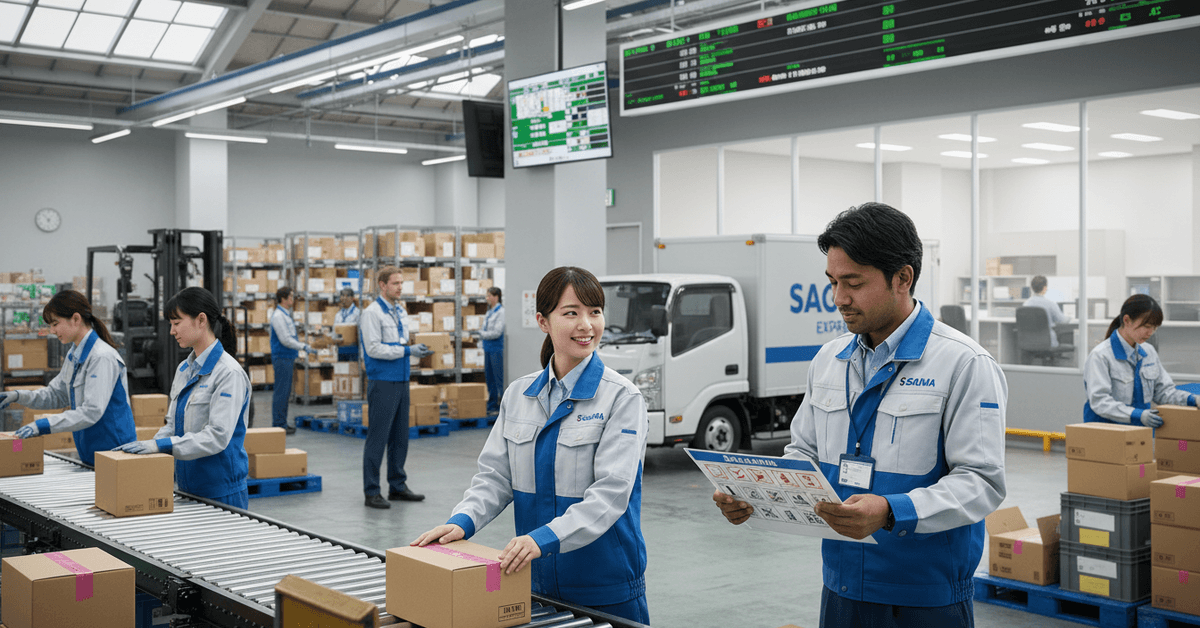
These positions center on organizing, unloading, and tracking packages in a Sagawa facility.
Physical stamina is valuable here, but intensive communication in Japanese is often less essential for some warehouse jobs. Shift work is common, with both full-time and part-time posts available.
Logistics Coordinator
This support role often involves basic data entry, route planning, and communication with drivers or customers. Some Japanese skill is typically necessary, though training is provided. It can be a stepping stone to supervisory jobs later on.
Support & Administrative Office Staff
More office-based, these positions deal with queries, internal paperwork, and customer support. For English speakers with strong Japanese proficiency, Sagawa sometimes posts bilingual administrative openings, especially in international package division.
Typical Requirements for Sagawa Delivery Jobs
Entry points to a career with Sagawa vary, but there are some common expectations.
These usually include a strong work ethic, willingness to handle repetitive tasks, and an interest in reliable employment. For foreigners, specific visa and language points matter too.
- Eligible work visa—Sagawa prefers candidates with valid working status in Japan
- Driver’s license—Japan-issued for all driver positions
- Physical ability—lifting, walking, or working on your feet for extended periods
- Enough Japanese language skill to follow instructions (not always for all warehouse roles)
Some jobs may have minimum experience or education requirements, though these are often straightforward. Work experience elsewhere in logistics is sometimes valued but not required for entry.
Benefits and Working Conditions at Sagawa
Why do so many people stay at Sagawa for years? There are a few practical reasons, and not all of them are obvious from the outside. Here’s what you might expect from benefits, conditions, and the wider work culture.
Employment Stability
Historically, Sagawa has provided secure contracts, especially for full-time drivers and warehouse staff. Even part-time workers can enjoy regular hours and predictable shifts, contributing to personal financial stability.
Structured Training and Safety Culture
Sagawa’s approach to onboarding typically includes practical training, both for road safety and internal protocols. For international staff, this may come with language support or visual materials, depending on location.
Potential for Advancement
While promotion isn’t instantaneous, some staff move from entry-level to supervisor or management positions within a few years. Initiative and loyalty tend to be rewarded in the long term.
Company Perks and Financial Benefits
Full-time roles can include health insurance, pension, paid leave, and bonus structures. Part-timers usually receive hourly wage increases based on performance or longevity. Many Sagawa facilities offer staff uniform and meal discounts, though this can vary.
How to Apply for Sagawa Jobs in Japan
Curious where to look for openings? Sagawa lists available positions on its official Japanese site (sagawa-exp.co.jp), especially for those reading Japanese.
For those less comfortable with Japanese, some foreigner-focused job boards occasionally show Sagawa jobs too.
Where to Search for Openings
- Sagawa official recruiting site
- Major Japanese job portals (like Hello Work, Rikunabi, and TownWork)
- Foreigner job platforms (GaijinPot, Jobs in Japan, Daijob) for occasional listings
What the Application Process Looks Like
The typical process starts with an application form, sometimes followed by a brief phone call or interview. Physical ability tests are included for some warehouse and driving positions. Document checks (visa, ID, license) are always necessary.
Tips for Foreign Applicants
If not fluent in Japanese, choosing a facility or region with more international staff can ease adaptation. Seeking help from a Japanese-speaking friend for application paperwork can smooth the process as well.
Language Skills and Integration for Non-Japanese Speakers
Can you work at Sagawa with limited Japanese? Perhaps, depending on the job and location. Warehouse and sorting roles are often more open to beginners, while delivery and office positions typically need functional communication skills.
Language Support & On-the-Job Learning
Some Sagawa branches offer written guides or visual aids for non-native staff, and colleagues may help with instructions after onboarding. However, willingness to learn basic Japanese will boost your comfort and long-term prospects.
Potential Career Impact
Learning Japanese on the job can open the door to internal promotions, pay raises, and more social connection with coworkers. In larger cities, the environment may be more supportive of linguistic variety, yet this varies from place to place.
Integration Challenges
Adjusting to Japanese customer expectations and work culture could take time. Sometimes, small misunderstandings or hesitations happen—even for experienced staff. Patience and openness help, but the effort is often worth it over time.
Legal & Tax Considerations for Sagawa Employees
Employment in Japan comes with legal structures and tax responsibilities. Sagawa, as a regulated company, will usually assist you through the basics, but it pays to understand your obligations ahead of time.
Required Documentation
Applicants must submit identity documents, working visas, and bank details for payroll. Some may also need to provide residence cards or proof of address. The company generally helps with paperwork, though complications can arise for new arrivals.
Tax and Social Security Deductions
By Japanese law, salaries include automatic deductions for health insurance, pension, and sometimes employment insurance. Sagawa’s HR team typically outlines these during onboarding. It’s a good habit to review each payslip, especially in your early months.
Full-Time Versus Part-Time Status
Note that tax obligations and entitlements change depending on working hours and contract status. Part-time staff may have fewer benefits or reduced deductions, but some exceptions exist if hours climb beyond set thresholds.
Future Outlook: Sagawa & the Changing Logistics Industry
The logistics sector in Japan, anchored by firms like Sagawa, is evolving. With automation on the horizon and continued growth in e-commerce, adaptability and a willingness to learn may help employees remain valuable, even as technologies develop.
For now, though, Sagawa roles provide a vital human link in Japan’s delivery chain—a practical, secure choice for many who want predictable income and experience with a major brand.
Though it’s sometimes challenging to adjust at first, many workers find the effort leads to steady reward and potential advancement.