
Warehouse jobs in Japan have become a practical employment path for both locals and foreigners. If you’re considering this line of work, understanding salaries, day-to-day realities, and entry requirements is essential.
This article offers a realistic perspective if you’re weighing options for stable income, physical work, or just a foothold in the Japanese workforce.


Why Warehouse Jobs in Japan Attract Interest?
The demand for warehouse workers in Japan tends to be high, especially as e-commerce expands. Warehousing offers entry-level positions, limited language barriers for many roles, and often—though not always—a relatively quick hiring process.
For people who prefer steady hours or who may be new to Japan’s job market, these roles represent accessible opportunities.
Strong Demand Across Major Urban Centers
Locations like Tokyo, Osaka, and Yokohama witness the highest demand. Industrial zones near major ports and highways often need more staff to manage fluctuating inventory loads and frequent shipments.
Companies sometimes hire throughout the year, but peak seasons—such as holiday periods—create more vacancies.
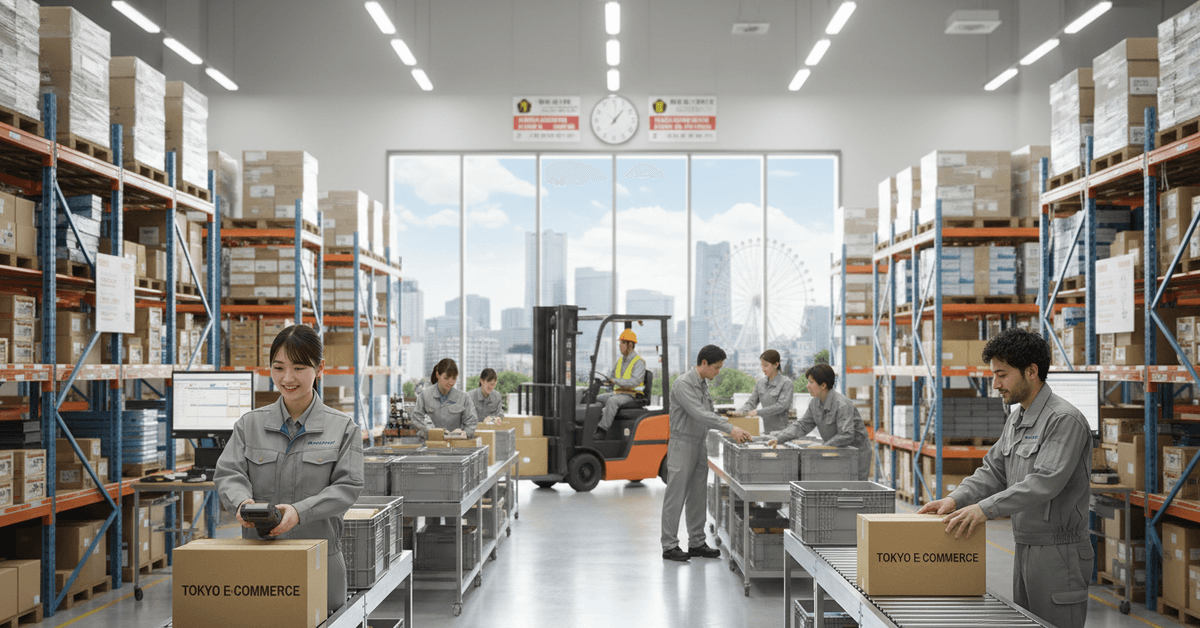
Accessible for Entry-Level and Non-Japanese Speakers
One notable aspect of warehouse work: fluency in Japanese is not always a strict requirement, especially at the basic operator level.
This makes these jobs more inclusive than many in Japan. However, basic communication skills help and safety instructions are usually given in simple Japanese or sometimes in written form.
Warehouse Job Types and Core Responsibilities
Warehouse work in Japan covers several categories, each with distinct responsibilities. Some positions are more physically demanding, while others require attention to organization or technology. Choosing a suitable role may depend on your background, stamina, and preferences.
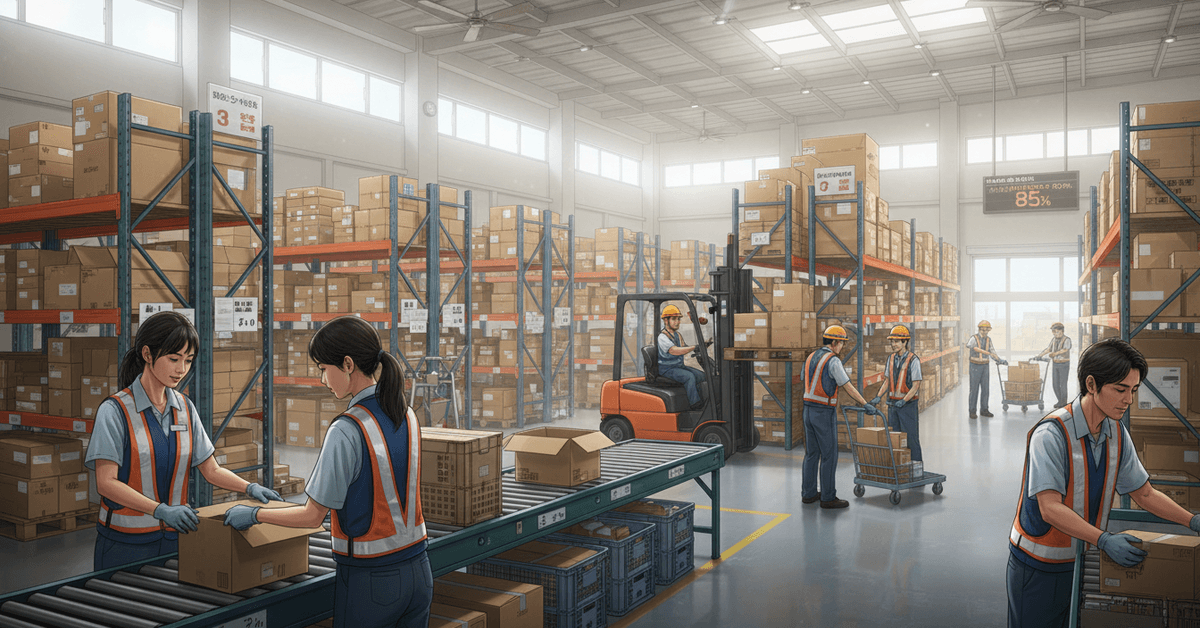
Packing and Sorting Staff
Probably the most common type, these employees handle sorting packages, assembling products, and preparing goods for shipment.
Attention to detail and repetition are the norms. Many people in these positions walk several kilometers during a single shift.
Forklift and Heavy Equipment Operators
Operating forklifts or other warehouse vehicles typically requires proper certification. Pay in these positions tends to be higher due to the extra training involved.
Physical demands remain significant, but the work often involves more machinery and less direct lifting.
Inventory and Stock Control Staff
Stock control clerks and inventory managers focus on tracking goods, handling barcodes, and sometimes using specialized software to update records.
Basic computer skills can be necessary, but these jobs involve less physical effort and more paperwork or device use.
Average Salaries for Warehouse Jobs in Japan
When it comes to warehouse job salaries in Japan , the wages can vary. Factors like region, experience, and company size play a role. But some general patterns offer guidance for job seekers or anyone simply curious about workplace norms.
Hourly Wages and Monthly Income – 2024 Estimates
In 2024, the average entry-level hourly wage for most warehouse roles falls between 1,100 and 1,400 yen.
In rural areas or at smaller sites, pay might begin closer to 1,000 yen. On the other end, skilled operators with certification can earn 1,500 to 1,700 yen per hour or more.
- Packing staff: 1,100–1,300 yen/hour
- Forklift operators: 1,300–1,700 yen/hour
- Team leaders/inventory: 1,300–1,600 yen/hour
Assuming a 40-hour workweek, a typical monthly income ranges from about 180,000 to 250,000 yen (roughly USD $1,200–$1,700), though long overtime hours are not rare in some companies.
Urban centers generally offer slightly better compensation, but transport costs and rent may also be higher.
Bonuses and Overtime
Overtime pay, known as zangyō, is a common feature. In most legal contracts, overtime pays at least 25% more per hour.
Some warehouses offer small seasonal bonuses, though these aren’t as generous or as regular as those in Japan’s traditional corporate world.
Working Conditions and Lifestyle Considerations
Like any industrial job, warehouse work has its pros and cons. The pace can be quick, especially during peak periods. Shifts range from morning to overnight, with flexibility sometimes offered.
Yet, the work can be repetitive or physically demanding. For some, this routine is a plus: it offers predictability and a set schedule. For others, fatigue may accumulate without sufficient breaks.
Physical Demands and Safety
Standing for long hours, lifting moderately heavy loads, and constant movement are standard. Most warehouses maintain strict safety protocols, but not all facilities are tempered year-round; summers and winters can feel intense on-site, depending on company investment in comfort features.
Culture and Interpersonal Interaction
The work environment varies between companies. Some warehouses foster team communication and social events, while others remain more task-focused and less interactive.
It’s worth noting that workers sometimes form diverse teams, uniting long-term residents with newcomers from abroad.
Requirements and How to Apply
Warehouse jobs are not difficult to apply for, but specific requirements must be considered. Companies differ in their openness to foreign workers, but many welcome applicants if paperwork is in order.
Work Visa and Basic Eligibility
Foreign residents need a valid work visa. The Specified Skills (tokutei ginō) visa is among the most common for this sector.
Some warehouses hire part-time staff under student or dependent visas, provided all government guidelines are followed. Documentation will be checked rigorously.
Language and Communication Skills
Most positions expect at least basic Japanese communication, especially for understanding safety instructions.
Still, there’s some tolerance for lower language proficiency, and training materials are sometimes translated or simplified. For managerial roles, higher ability is usually required.
Where to Find Job Listings
Warehouse positions are listed with staffing agencies, local job boards, and major platforms like GaijinPot Jobs or Indeed Japan.
Many companies also recruit through referrals, so networking can help. Agencies may assist with visa and documentation, especially for first-time foreign applicants.
Legal, Tax, and Workplace Rights
Japanese labor law sets minimum conditions for all workplaces, warehouses included. Full-time employees get paid annual leave, and overtime pay must meet government guidelines.
Contracts should be provided both in Japanese and, sometimes, in English, though this isn’t universal yet.
Insurance and Social Security
Most full-time workers are eligible for Japan’s national health insurance and pension program. Even part-timers often participate if their working hours cross a certain threshold.
It’s important to check contract terms before accepting a job, as small companies sometimes misunderstand foreigner requirements.
Tax Considerations
Income tax is deducted at the source in most regular employment. At year-end, workers receive a tax certificate (gensen choshūhyō).
Filing a final return can be required, especially for those with multiple jobs or part-time roles throughout the year. Keeping paperwork organized is strongly recommended.
Pros and Cons of Warehouse Work in Japan
No job is perfect, and warehouse positions can be both a stepping stone and a long-term choice, depending on one’s goals. Here’s a brief overview.
- Pros: Accessible entry, decent hourly rates, overtime opportunities, limited language barrier for basic roles.
- Cons: Physical demands, repetitive tasks, seasonal drops in workload, limited pay growth beyond supervisory levels.
Alternative Career Paths and Long-Term Outlook
Some workers use experience in warehouses to step toward logistics, supply chain management, or even specialized training (like forklift operation or team supervision). For others, it remains a steady job to support life in Japan.
The industry may see increased automation, but human labor remains fundamental, especially in high-volume hubs and during busy seasons.
Final Thoughts on Warehouse Jobs
Warehouse jobs in Japan can offer steady income, accessible entry-level work, and practical opportunities for foreign residents.
The work can be physical and repetitive, but it may suit applicants who want structure, overtime options, and limited language barriers.
Job seekers should review visa rules, safety expectations, pay rates, and contract terms before accepting a position. With preparation and consistency, warehouse work can become a reliable starting point in Japan’s logistics sector.