
Packing jobs in Japan are one of the few entry points where limited Japanese skills genuinely will not block you from getting hired. That changes a lot of things.
Temp agencies like Pasona and Adecco run contracts with logistics firms that process hundreds of warehouse hires per month. The pipeline exists. The question is whether you know where to look and what to expect when you show up.


I think a lot of people skip these jobs without fully reading what they pay. Tokyo-area packing roles run between 1,000 and 1,300 yen per hour, and night shifts bump that by 25 percent. That adds up faster than most side jobs in Japan.
This guide is written for foreigners already in Japan on student, dependent, or working holiday visas who want consistent shift work. There is specific information here on legal limits, pay structure, and which job boards are worth your time.
Where Packing Jobs in Japan Actually Get Posted
The job boards that move fast
GaijinPot Jobs and Jobs in Japan list packing and warehouse positions with English-language applications. These two are the most foreigner-accessible boards running in 2026. Applications on these sites are usually a simple form, no formal resume required.
GaijinPot Jobs is worth bookmarking and checking two to three times per week. Listings disappear fast. A position posted Monday morning is often filled by Wednesday, especially before Golden Week or the New Year rush.
TownWork (townwork.net) is Japan's high-volume part-time job board.
The site runs entirely in Japanese, but searching 梱包 バイト (packaging part-time) pulls up volume that the English boards cannot match. If you have even basic reading ability, the listings are worth scanning.
Staffing agencies: slower setup, steadier work
Temp agencies handle a large share of warehouse and packing hiring in Japan. Pasona, Adecco, and the government-run Hello Work all place workers in logistics roles.
Registration usually takes one appointment and some basic paperwork. Once you are in their system, the agency contacts you when matching positions open.
The tradeoff is less flexibility on start dates. But the benefit is that the agency handles the paperwork, which matters a lot if your Japanese is still at survival level.
Hello Work offices also offer free job-matching services to both Japanese and foreign residents. Many workers overlook this because it does not have an English interface, but walking into a local office and asking for assistance directly is an option that works.
Company career pages for the bigger placements
Amazon Japan, Fast Retailing, and major logistics firms post warehouse openings on their own careers pages.
These fill quickly and often require some Japanese reading ability for the application. But the pay and conditions at named companies tend to be more consistent than smaller operations.
I would not treat company career pages as your primary search. Check them once a month. Use job boards and agencies as your main channels.
What Packing Jobs in Japan Actually Look Like
The three main types
These are not all the same job. Knowing the type before you apply changes whether the role fits your schedule and physical limits.
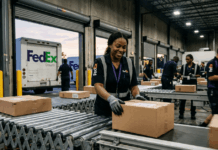
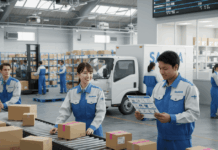
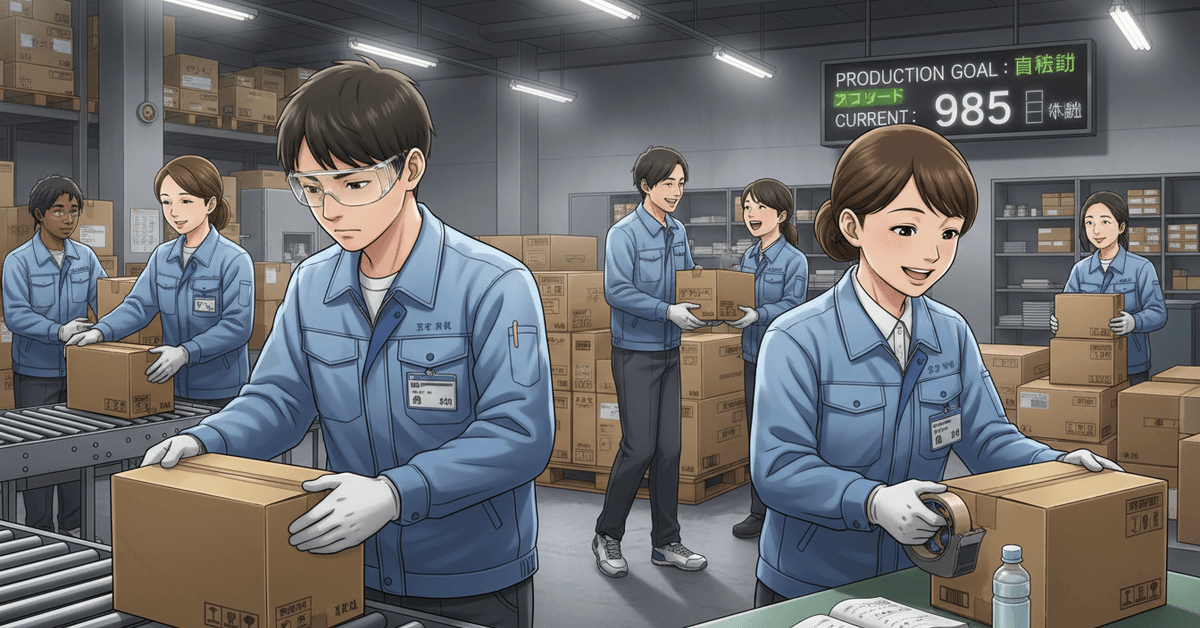
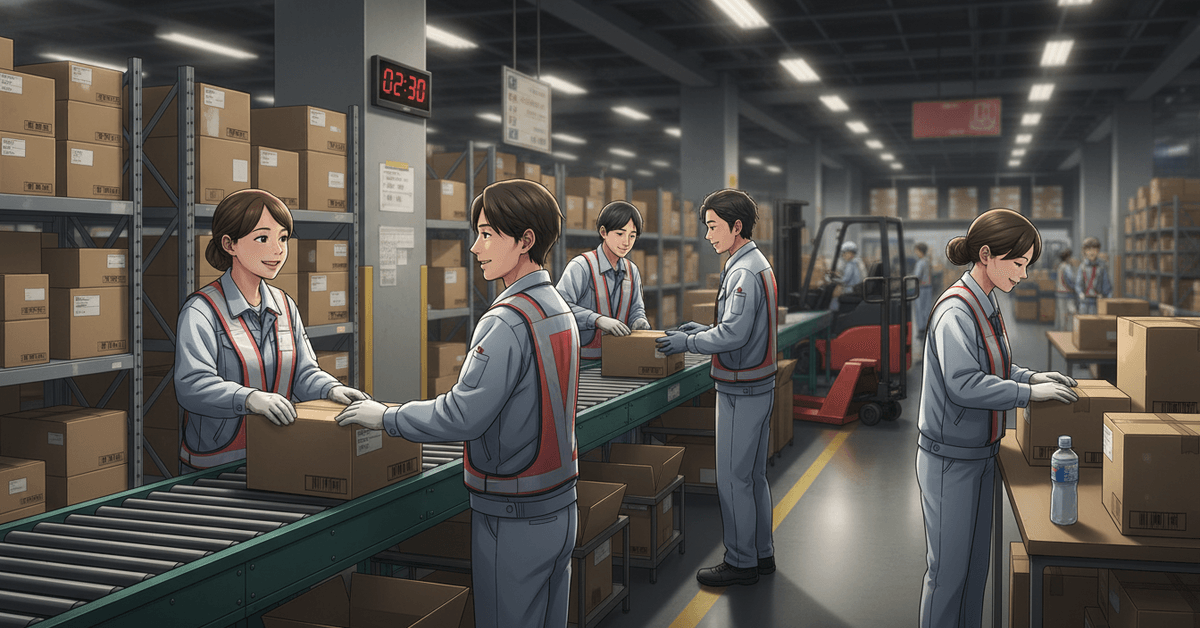
- Warehouse packing is the most common. You box items, label shipments, and rotate between tasks on a team. Products range from electronics to clothing. Shifts run in blocks, with clear start and end times.
- Factory-based assembly packing puts you at the end of a production line. Tasks are repetitive: sealing bags, adding labels, counting parts. The upside is that the pace is often set by the line, so there is less pressure to move fast independently.
- Food packaging runs on seasonal demand. Valentine's chocolate packing, year-end gift boxes, and bento production lines all need short-term labor. Hygiene rules are stricter here. Gloves and hair covers are standard. The pace changes more often than warehouse work, which some people find easier to handle over a long shift.
What you will actually be doing physically
Standing for three to six hours is standard. Lifting box weights varies by workplace. Breaks are regulated, and companies are required to let workers report unsafe load conditions.
Supportive shoes are not optional. Workers who skip this end up with sore feet after the first week and often quit before the second. Bring a reusable water bottle.
Some warehouses are cold in winter and warm in summer regardless of what the thermostat says.
Visa Rules and Legal Work Limits You Need to Know
The 28-hour cap on student and dependent visas
Student visas and dependent visas cap legal work at 28 hours per week. This is not a suggestion. Overworking on these visa types creates administrative trouble that can affect future visa renewals.
Employers conduct visa checks before hiring. Tell them your visa status upfront. Hiding it creates a liability for both you and the company.
Working holiday visa holders generally have fewer restrictions, but the rules vary by your home country's agreement with Japan. Check the specific terms of your agreement before accepting overtime.
Taxes and what that payslip actually means
Part-time workers earning above a yearly threshold get enrolled in Japan's social insurance system.
Companies are required to issue payslips with deductions listed clearly. At tax time, you will receive a Gensen Choshu-hyo (源泉徴収票), a withholding tax certificate.
If you are unsure about your situation, Hello Work offices provide free consultations on this. Do not guess. The tax rules for part-time workers in Japan are specific enough that a 20-minute appointment saves real confusion at year-end.
Job comparison: the three main platforms
| Platform | Language | Application Type | Typical Listings |
|---|---|---|---|
| GaijinPot Jobs | English | Simple form | Warehouse, logistics |
| TownWork | Japanese | Resume or form | High volume, all types |
| Hello Work | Japanese (staff assist available) | In-person or online | Agency placements |
Each platform targets a different application experience. GaijinPot lowers the barrier. TownWork gives volume. Hello Work gives structure for longer-term placement.
Getting Hired: What Works and What Does Not
Timing your search around peak hiring windows
Peak hiring happens two to three months before major national holidays. New Year's and Golden Week are the two biggest windows. If you want a packing job for the New Year period, start searching in October.
Late-evening job board checks sometimes surface listings that were posted after business hours and have not been flooded with applications yet. Small habit, real advantage.
Resume prep for someone with no warehouse background
Some platforms only need contact details. Others want a basic resume. Having one in both English and Japanese speeds up the process across multiple applications.
The resume does not need to be long. List any prior part-time work, note that you can work independently, and mention relevant availability. Managers filling warehouse roles do not need an essay. They want to know if you will show up.
Contrarian take: stop over-explaining your Japanese level
I genuinely disagree with the advice to emphasize your Japanese fluency in a packing job interview. Supervisors at most warehouses use gestures, step-by-step demonstrations, and simple safety cards.
Three separate job boards I reviewed in early 2026 listed "basic communication" as the language requirement, not business-level Japanese.
Over-explaining your language limitations actually signals more anxiety than it resolves. State your level once, directly, and move on. Managers who run teams with rotating foreign workers know how to communicate tasks without full language overlap.
Questions People Ask About Packing Jobs in Japan
Q: Can I get a packing job in Japan without speaking Japanese? Packing jobs have some of the lowest language barriers in Japan's workforce. Many workplaces use gestures and demonstrations for training. Basic reading helps with safety signs, but fluent Japanese is not a requirement at most warehouses.
Q: How many hours per week can I work on a student visa? Student visa holders are capped at 28 hours per week under Japanese immigration law. This applies to all paid work combined, not just one job. Exceeding this limit puts your visa status at risk.
Q: Do packing jobs in Japan offer overtime pay? Night shifts and overtime are typically paid at 25 percent above the base rate. Availability depends on the company and season. Busy periods before national holidays tend to have the most overtime available.
Q: Which staffing agency is easiest for foreigners to register with? Adecco and Pasona both handle foreign worker registration and have placed workers in logistics and warehouse roles. Hello Work is free and government-run, which makes it a solid first option if you want to explore without committing to a private agency.
Q: When is the best time of year to look for packing work in Japan? October through November is the strongest window for New Year's hires. Spring hiring picks up before Golden Week in late April. Searching outside these windows is still possible, but the volume of listings drops noticeably.
Conclusion
Packing jobs in Japan give foreign workers a real entry point with pay between 1,000 and 1,300 yen per hour.
Job boards like GaijinPot and TownWork update daily, and peak hiring windows open two months before major holidays. The 28-hour weekly cap on student visas is the most important legal detail to track before you accept any shifts.
Start your search in October for New Year's placements, keep your resume simple, and check listings more than once a week.