
For many, finding work that fits around life's demands can be challenging, especially in a busy place like Japan.
With economic uncertainty, rising living costs, and the push for work-life balance, delivery jobs with Uber Eats in Japan have become a practical solution.


This article takes a closer look at the potential, especially for residents and newcomers interested in flexible, on-demand work across Japan’s largest cities.
This guide is designed for anyone exploring part-time or supplementary income options in major Japanese cities.
Whether you’re a student, part-time worker, or newcomer looking for an accessible start, you’ll find insights on how Uber Eats delivery jobs work, how schedules can remain flexible, and some surprising points about pay, demand, and work environment.
Why Uber Eats Delivery Jobs Are Appealing in Japan?
The appetite for food delivery in Japan has grown sharply, especially over the past several years. More people are ordering in – not just for convenience, but for safety and comfort. As a result, demand for reliable food couriers continues to rise.
High Urban Demand in Tokyo, Osaka, and More
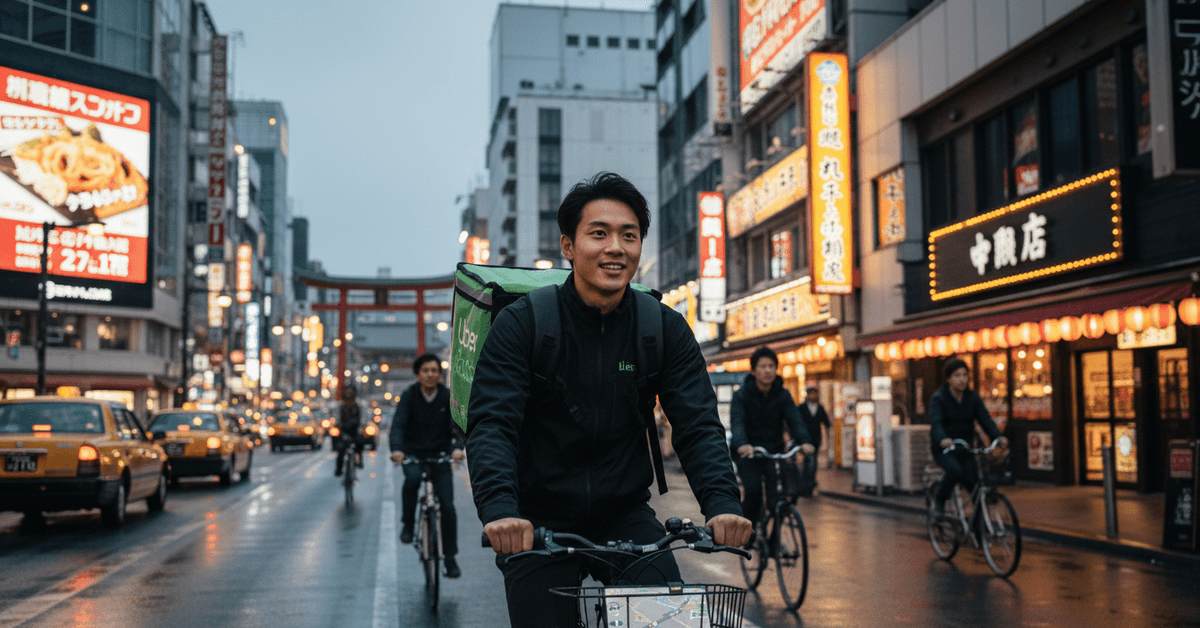
Cities like Tokyo, Osaka, and Yokohama show consistently strong demand for delivery. Residential areas and business districts alike see a steady flow of orders throughout the day.
It’s not only about population; cultural shifts toward remote work and busy urban lifestyles seem to play a role as well.
Flexible Scheduling Attracts a Wide Range of Workers
One key reason many opt for Uber Eats delivery jobs in Japan is the flexible timetable. Rather than fixed shifts, couriers can log in and out when it suits them.
This flexibility is especially appealing for students, parents, freelancers, and anyone balancing other life commitments.
No Extensive Qualifications Required
For most delivery positions, costly certifications or long training periods aren’t necessary. A basic driver’s license (for scooters/bikes) or even a bicycle is usually enough.
Language skills can help, but a perfect command of Japanese isn’t always essential, especially in large cities with international customers.
Accessible Earnings Structure
While base rates may fluctuate and depend on the area, extra income opportunities often come via bonuses, busy-hour surges, and incentives. Couriers who understand the peak times, local hotspots, and efficient routes often stand to make more.
How to Start: Uber Eats Delivery Registration in Japan
The sign-up process is generally straightforward, though it sometimes feels bureaucratic. The requirements have loosened over time to include not only Japanese nationals, but also many long-term foreign residents and students with the appropriate visa status. Always check directly with Uber Eats for the most recent rules.
Typical Requirements for Applicants
- A valid form of identification (passport, zairyu residence card, or Japanese ID)
- Legal right to work in Japan (including permissions on student visas for limited hours)
- Bank account in Japan for payment
- Eligible delivery vehicle—bicycle, e-bike (most common), scooter, or car (depends on city regulations)
- Smartphone (iOS or Android) with the Uber Eats courier app
Application Steps
- Sign up via the official Uber Eats website or app
- Upload personal, residency, and vehicle documents
- Attend (sometimes optional) onboarding sessions—these may be virtual or in-person
- Wait for approval and background check
- Once cleared, activate your courier profile and begin delivering
Sometimes the wait for approval stretches longer than expected, especially during busy hiring periods. Persistence and patience help, as does making sure all documentation is in order before applying.
Popular Cities and Regions for Uber Eats Delivery
While coverage is growing, Uber Eats delivery jobs are much more abundant in metropolitan regions. Here’s where demand – and opportunities for earnings – tends to cluster:
Tokyo Metropolitan Area
Japan’s capital remains the largest and most lucrative market. Dense neighborhoods, late-night culture, and a wide demographic base create a near-constant need for couriers.
Osaka and Surrounding Cities
Known for its vibrant food scene and commercial activity, Osaka, along with Kobe and Kyoto, offers plenty of options for those seeking delivery work with flexible schedules.
Nagoya, Sapporo, Fukuoka
Secondary urban centers also see sustained demand, though traffic patterns and restaurant mix can shift. Places with large universities or expat populations may offer unique busy periods or bonus structures.
How Uber Eats Pays: Understanding the System
Often, new couriers have questions about how they’ll get paid, how quickly, and what earnings to expect. The reality is a bit nuanced.
Earnings Breakdown for Couriers
Payment is typically based on a per-delivery rate. This rate includes base pay, potential distance bonuses, and occasional demand-based incentives. High-traffic times (weekend evenings, lunch rush, rainy days) usually bring greater earnings potential.
Payment Schedule
For most, payments are transferred directly to the Japanese bank account linked at registration, usually once weekly.
It removes some of the unpredictability that gig workers elsewhere may face, though rates and incentives can change from week to week.
Additional Earning Opportunities
Couriers may find added bonuses through referral programs, completing a certain number of deliveries in target periods, or taking on specific challenges set by Uber Eats. Some prefer to work exclusively during such campaigns, seeking to maximize per-hour earnings.
Tips for Maximizing Uber Eats Delivery Income
Maximizing income in delivery work sometimes comes down to timing, local knowledge, and efficiency—not just hours spent online. Here are a few pointers for those considering this path:
- Understanding Hotspots: Popular trains stations, busy business districts, and nightlife areas tend to generate more orders, especially at meal times.
- Weather Advantages: Fewer couriers work in poor weather, meaning less competition and often higher incentives for those willing to brave the rain or snow.
- Peak Performance: Logging on during known peak windows (lunch, dinner, Friday and Saturday nights) can often mean back-to-back orders and better bonuses.
- Route Familiarity: Learning shortcuts, quiet alleys, or bicycle-friendly routes saves time and avoids traffic—crucial in bigger cities.
- Customer Ratings: Providing courteous, prompt service may result in better tips and maintain eligibility for incentive programs.
Legal, Tax, and Visa Considerations for Delivery Workers
For both Japanese nationals and foreigners, delivery work falls under self-employment. That means some legal and tax responsibilities are handled personally—not by Uber Eats as an employer.
Residence and Work Permissions
Foreign residents, including students or those on specified visas, may face restrictions on allowed working hours or types of side work.
Checking with the Immigration Bureau and reading conditions in one’s residence card protects against accidental violations, which can have serious consequences.
Tax Filings and Obligations
Typically, earnings from delivery work should be declared as individual business income during annual tax season (kakutei shinkoku).
Setting aside a portion of each payout for taxes may help avoid year-end surprises. Those earning above a certain threshold may need to enroll in National Health Insurance as well.
Insurance and Worker Safety
While Uber Eats offers some coverage, additional personal insurance is wise—especially for those using bicycles or scooters.
Japanese roads, while generally safe, pose dangers, especially during inclement weather or in unfamiliar neighborhoods.
Final Thoughts on Uber Eats
Uber Eats delivery jobs in Japan can offer flexible income for students, residents, and newcomers who meet work requirements. The role is accessible, but earnings depend on location, timing, weather, and route efficiency.
Couriers should understand taxes, insurance, and visa rules before relying on delivery work. With planning and realistic expectations, Uber Eats can be a practical side income option in Japan’s major cities.