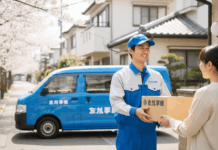

Uber Eats Japan has steadily gained popularity, offering food delivery opportunities that appeal to many looking for flexible work.
This article is for anyone—expats, locals, students—curious about what it's like to work as a food courier in Japan.



If someone is searching for extra income or greater freedom in scheduling, insights await here. The key benefit? Genuine, everyday experiences plus a realistic perspective on what to expect from driving with Uber Eats in Japan.
Why Uber Eats Driver Jobs Are Worth Considering in Japan?
Perhaps the most obvious appeal is the flexibility. For anyone balancing other responsibilities—or just hesitant to commit to fixed hours—this stands out.
The cost of living in Japanese cities nudges many to look for income sources where time can be managed around study, family, or even other jobs.
Strong Demand Across Japanese Cities
Japan’s urban lifestyle lends itself to quick deliveries, especially in big cities like Tokyo, Osaka, and Nagoya. The steady flow of orders makes Uber Eats a steady option rather than a pure side hustle.
Demand can spike during lunch and dinner, but there are always small surprises—late-night snacks, morning pastries—sprinkled throughout the day.
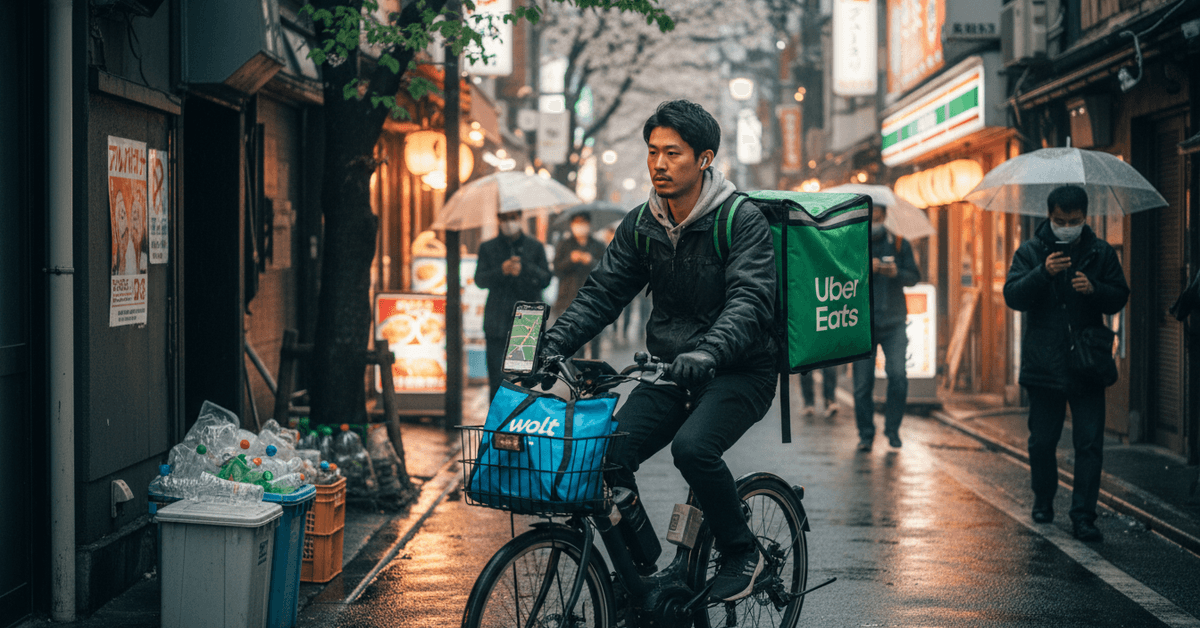
Low Entry Requirements
The entry barrier for Uber Eats delivery drivers in Japan is notably low. A simple registration, valid photo ID, and owning a basic bike or scooter are the primary essentials.
There’s no need for complex documentation or heavy investment, which makes the entire prospect less intimidating.
Localized Bonuses and Surge Pricing
At certain times, Uber Eats introduces surge pricing and bonuses —sometimes for specific neighborhoods or busy periods.
There’s a bit of unpredictability here, but some drivers look forward to these, planning their shifts accordingly.
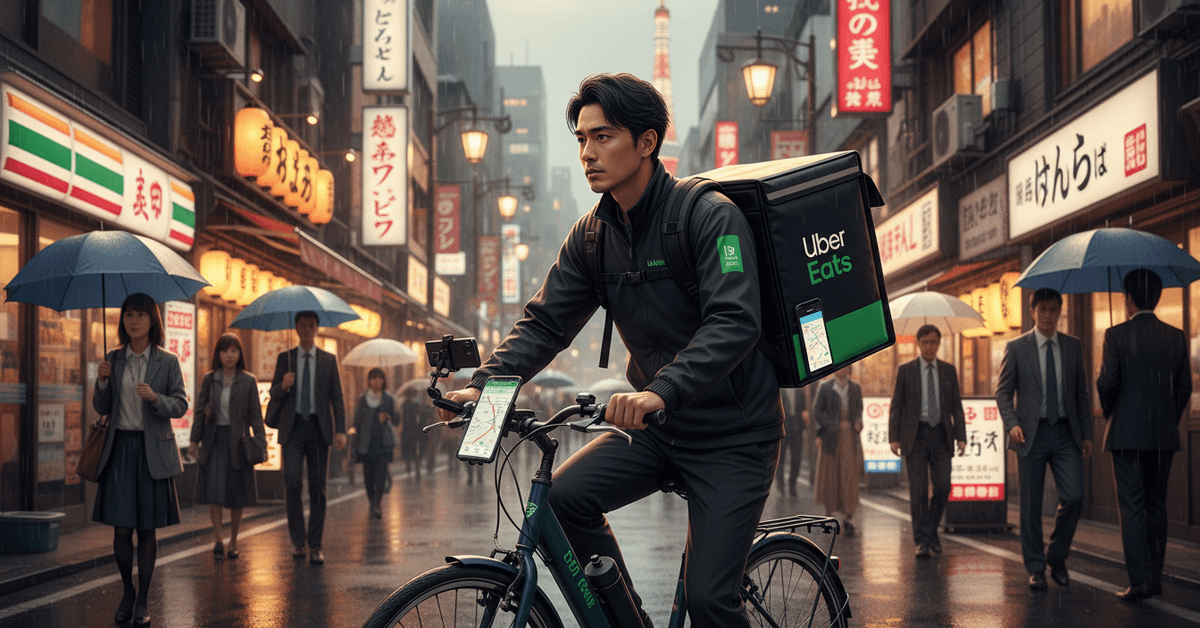
How to Become an Uber Eats Driver in Japan?
The process for joining Uber Eats as a driver is surprisingly straightforward. Both Japanese nationals and foreigners (with work-eligible visas) are welcome, though there are small nuances to be aware of. Let’s briefly walk through what’s generally needed.
Requirements
- Be at least 18 years old (for bicycles or e-bikes), or 20+ for scooters and cars
- Have a valid photo ID: zairyū card (residence card) or Japanese driver’s license
- Access to a bicycle, e-bike, scooter, or car, plus related licenses
- A compatible smartphone (Android/iOS) with a data plan
- Visa holders: Eligibility to work legally in Japan (student visa, working holiday, etc.)
Sign-Up Steps
- Register on the official Uber Eats Japan website, providing required documents
- Wait for background check and verification (usually 1–5 days)
- Complete in-person onboarding (in some cases)
- Download the Uber Driver App and set up your payment details
- Start accepting delivery requests once approved
Platforms and Resources for Uber Eats Japan Drivers
While Uber Eats is the most well-known platform, drivers often take interest in similar companies. Matching the right platform to one’s preferences—location, vehicle, or even just language comfort—is crucial. Exploring a few options may provide better earning flexibility.
Main Platforms in Japan
- Uber Eats (https://www.uber.com/jp/ja/deliver/)
- menu (menu Inc.)
- Wolt Japan
- Demae-can
- Foodpanda Japan
Some drivers choose to sign up with multiple platforms. This practice, known as 'multi-appon' (マルチアッポン), can help avoid downtime during quiet periods on one app.
Extra research into rules about exclusivity or double-booking is recommended, as different services have different terms and sometimes they change with little notice.
Tips for Maximizing Earnings
There is no magic trick for unlimited earnings—sometimes there’s luck, sometimes it’s about better strategies. However, a few actionable habits do stand out for many drivers.
Work During Peak Times
Lunch (11:00–13:00) and dinner (17:00–20:00) slots see the highest volumes of orders. Special events, holidays, and even rainy days can significantly boost demand.
Some drivers prefer the less busy hours for a steadier pace, even if the pay rate fluctuates a bit.
Plan Routes and Learn Neighborhoods
Tokyo and Osaka neighborhoods can be maze-like, especially when narrow alleys and apartment blocks are involved.
Spending a weekend exploring typical delivery zones—on foot or bike—makes a genuine difference later. Even a slight improvement in navigation cuts down on missed deliveries and wasted time.
Keep Your Ratings Up
Customer feedback in Japan is extremely important, perhaps even more than in other countries. A polite greeting and careful handling of food—such as making sure drinks don’t tip over—can make a noticeable impact on one’s app score. In rare cases, a persistent low rating can result in fewer orders allocated.
Optimize for Expenses
Cyclists often minimize travel costs, while scooter and car drivers need to account for fuel and occasional maintenance.
Some drivers switch modes—bike for short trips, scooter for longer ones, depending on the day or weather. Planning routes carefully to minimize “deadheading” time (riding without a delivery) helps improve actual hourly earnings.
Legal and Tax Considerations for Uber Eats Work in Japan
Delivery drivers with Uber Eats in Japan operate as independent contractors, not employees. This means—maybe unexpectedly—that several legal and tax details require personal attention. Missing these can lead to bureaucratic headaches or fines down the line.
Visa and Residence Status
Foreigners on certain visas (student, working holiday, spouse, etc.) can deliver food if their visa allows part-time work.
The part-time limit is usually 28 hours per week for students. It's wise to check with local immigration offices regarding the current guidance; rules occasionally change, and even a small overage can create problems at renewal time.
Reporting Income
Uber Eats drivers must report their earnings as business income. For most, this means submitting a tax declaration (確定申告, kakutei shinkoku) every year if their income exceeds certain thresholds.
It can seem overwhelming, but there are bilingual tax guides and service centers in major cities that offer help—sometimes for free. Drivers are advised to keep receipts for all work-related expenses, as they can be deducted.
Insurance and Social Security
Uber Eats does offer basic accident insurance during deliveries, yet this coverage has its limits. Many experienced drivers seek supplementary insurance for personal injuries or liability.
In addition, those doing significant volume should consider enrolling in Japan's National Pension (国民年金, kokumin nenkin) if not already covered through another job. The social safety net is complex; the right guidance makes all the difference.
Challenges and Everyday Realities
There's a tendency to paint gig work as either pure freedom or risky drudgery—yet, the actual experience often falls somewhere in between.
Some days are rewarding: good weather, smooth deliveries, maybe a surprising tip. Other times, typhoon season sets in, restaurant pickups lag behind, or technical glitches crop up.
Japanese urban environments reveal quirks: sudden elevator failures, crowded bike lanes, language barriers with customers.
Most adapt, learning little tricks—extra smartphone power banks, waterproof gear, or carrying change for building entrances—that make things smoother. Still, there are moments of frustration, and not every earning week feels consistent.
A wise approach is to treat Uber Eats work in Japan as an evolving learning process, where small tweaks can gradually lead to better results, but nothing ever feels totally predictable. The unpredictability, I think, is both a charm and an occasional source of anxiety.
Final Thoughts on Uber Eats
Uber Eats Japan can be a flexible option for locals, students, and eligible foreign residents who want extra income.
The work offers freedom, but drivers should understand peak times, platform rules, taxes, and visa limits before starting.
Careful route planning, polite service, and expense tracking can improve the overall experience. With realistic expectations, delivery work can become a practical side income in Japan’s busy cities.