
Thinking about working at an Amazon warehouse in Japan? This might be of interest to people seeking steady income, flexible shifts, and job opportunities in one of the world’s biggest e-commerce companies.
Whether you speak only English or are looking for bilingual options, Amazon’s fulfillment jobs in Japan cater to a wider range of backgrounds than many might expect.


This article aims to help job seekers, career changers, or newcomers to Japan who want to know more about warehouse roles.
Find out about requirements, work culture, potential earnings, and practical tips – all designed to make your search easier and informed.
Why Consider Warehouse Jobs at Amazon Japan?
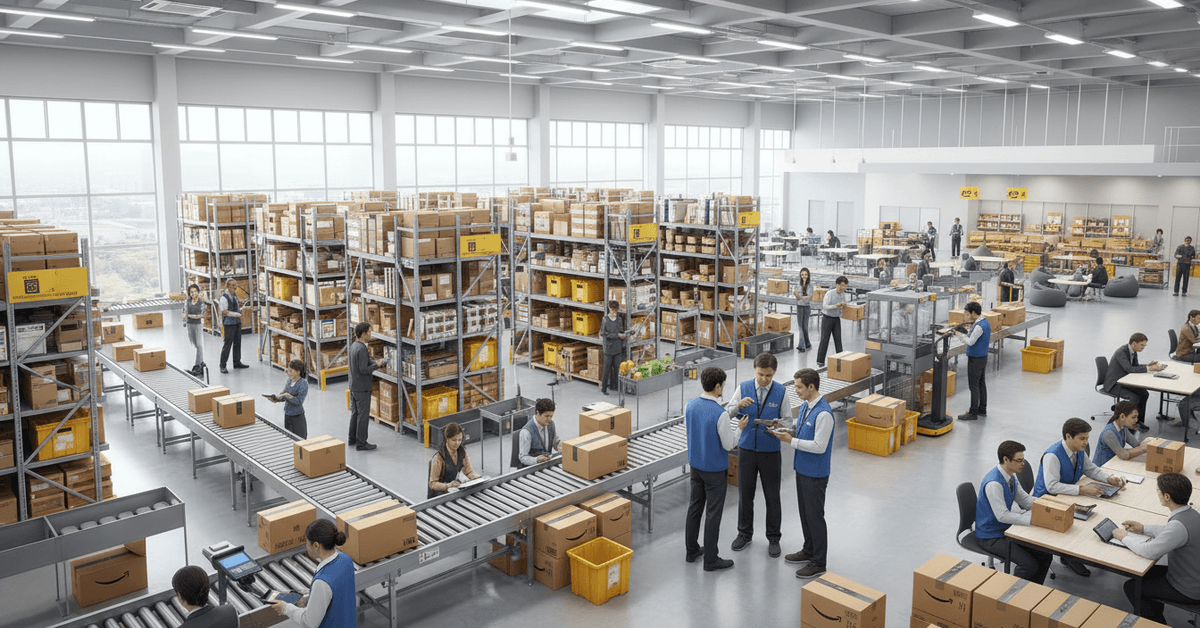
Amazon’s operations in Japan are extensive. Warehouses, called "fulfillment centers", have become an essential part of the logistics network delivering products across the country. Working in these facilities can offer a mix of benefits that might surprise some candidates.
Stable Demand and Continuous Hiring
The online retail market in Japan keeps growing. This means that Amazon is almost always recruiting for fulfillment associate positions. Job stability, especially for newcomers or those with limited Japanese, can be attractive.
English-Speaking and Multicultural Teams
Many of Japan’s Amazon warehouses employ a diverse staff. Some locations do not require advanced Japanese skills, especially for basic tasks.
For English speakers, opportunities at international-focused sites or on early/late shifts can be more accessible.
Physical Work with Tangible Results
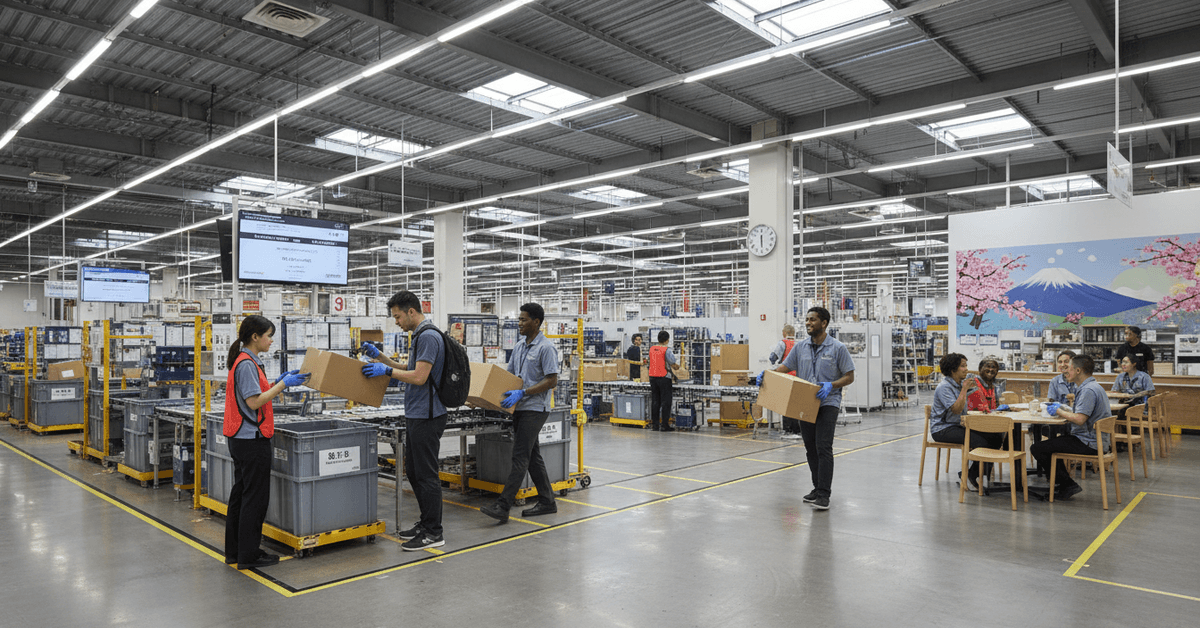
The work is hands-on. Employees pack, sort, and move goods. For those who enjoy staying active and seeing real results from their effort, these roles might provide more satisfaction than a typical office job.
Types of Amazon Fulfillment Jobs in Japan
There isn’t only one job type. Warehouse career options range from entry-level to more specialized positions. Some require experience, while others are perfect for first-timers.
Fulfillment Associate
This is the starting point for most. Tasks include picking items, packing packages, and sorting shipments. It’s fast-paced, but training is provided.
Sortation Center Worker
These roles usually focus on sorting parcels before they head to “last mile” delivery. Shift availability may be higher during busy seasons.
Maintenance and Quality Roles
Some positions involve checking equipment or ensuring safety regulations are met. A bit of technical know-how or experience goes a long way here.
Shift Supervisors and Team Leads
For those with experience or strong communication skills, team lead roles offer a step up. Bilingual skills, even basic, can help move into these tracks.
Requirements and Hiring Process
What’s expected? The bulk of jobs ask for reliability, punctuality, and a willingness to learn new routines. Let's break down what else candidates might encounter.
Language Proficiency
Not all jobs require Japanese fluency, but basic phrases will make daily work smoother. Some advertisements specify English-friendly warehouse jobs or give clear language criteria. Interviewers may check conversational ability, but requirements differ by site.
Eligibility and Documentation
Foreigners must have a valid visa in Japan—such as student, dependent, or working holiday status. Work hours and types of contracts may vary by visa type.
Physical Requirements
Applicants need to lift packages, stand for long periods, and follow safety guidelines. Height or strength isn’t the only concern; careful attention and stamina matter, too.
Application Steps
Most jobs open with an online form. Candidates upload a resume (sometimes in English is fine) and maybe attend a casual interview either in-person or remotely. Background checks are standard, and start dates can be flexible.
Typical Work Environment and Schedule
The atmosphere at Amazon fulfillment centers in Japan is often brisk, with organized routines but room for improvement and feedback. Schedules can fit around school, family, or other jobs for those seeking part-time.
Shifts and Hours
Amazon offers multiple shift patterns: daytime, evening, overnight, and weekend blocks. Full-time and part-time choices help match various lifestyles.
Team Dynamics
Staff come from a range of backgrounds. For many, especially those new to Japan, these jobs become networking opportunities as well as a source of income.
Facilities and Perks
Most sites offer canteens, lounges, and staff support. Breaks are scheduled, and meals/snacks are sometimes provided or available for purchase on-site. Safety and comfort are taken seriously, but individual experiences might vary.
Potential Salaries and Earning Potential
One common question is: "Are these jobs worth it?" Pay rates differ based on location and shift. Here’s a general sense, though specifics will depend on local market conditions and seasonal variations.
- Standard hourly wage ranges from 1,100 to 1,500+ yen (approx. USD $8-12) for entry-level positions
- Night/early morning shifts often come with premiums of 25% or more
- Temporary contracts might boost pay during peak shopping months
Bonuses aren’t guaranteed, but some sites offer incentives for attendance or performance. Overtime, if voluntarily agreed, may be available but should always be checked with the hiring team for legality and limits.
Tips for Getting Hired: Stand Out in the Application
While jobs are open to many, those with a strong application and understanding of what Amazon values may have an edge. Here are some practical insights:
- Detail any previous warehouse, physical, or customer-facing work on your CV
- Show willingness to take different shifts – flexibility is a big plus
- Mention relevant language skills, even if not fluent
- Be honest about preferred working hours and any restrictions
- Highlight teamwork and safety awareness in application essays or interviews
There’s no single “ideal” candidate. Some people say their background in hospitality or event management helped, while others moved in after working as delivery drivers.
Legal, Tax, and Visa Considerations
Working in Japan has strict legal frameworks. It’s crucial to stay informed, especially for foreign applicants. Always consult professionals or reliable resources on these matters.
Visa Types and Restrictions
Student, spouse, or dependent visa holders have specific limits on weekly working hours. Overstepping these can have serious consequences. Companies usually check, but it’s ultimately up to the employee to comply.
Taxes and Social Insurance
All employees, even part-timers, may be expected to file income taxes in Japan. Social insurance contributions (health, pension) may be deducted from paychecks, depending on total work hours and contract length. For complex questions, the Japan National Tax Agency (nta.go.jp) is a reliable reference.
Company Support and Contract Terms
Some positions offer clear contracts and support for non-Japanese speakers. Reading all terms—including break times, overtime, and leave policy—is always wise.
Advancing Your Career – Growth Paths at Amazon Japan
Starting out on the warehouse floor doesn’t have to be a dead end. Many staff have moved from associate to senior, lead, or even logistic coordination and admin roles.
Skill Development
Amazon provides both on-the-job and structured training. Picking up new skills or improving Japanese may open doors to supervisory or office-based jobs in the future.
Internal Transfers
After a period, staffers can sometimes transfer between locations. This could mean working closer to home, exploring higher-paid shifts, or even moving to different company branches.
For those staying in Japan long-term, warehouse experience can support applications for more stable visas or open pathways to related industries.
Final Thoughts on Amazon Japan
Amazon warehouse jobs in Japan can offer steady income, flexible schedules, and accessible entry-level opportunities.
The work is physical and fast-paced, so applicants should be ready for standing, lifting, sorting, and following safety rules.
Foreign applicants should check visa limits, tax duties, and required documents before accepting a role. With preparation and reliability, these jobs can become a practical starting point for stable work or future logistics career growth.