

Flexible delivery work that fits your routine and pays per order defines Walmart Spark Driver, Walmart’s U.S. marketplace that connects you to nearby customer orders.
In this guide, you learn the delivery types, realistic pay ranges, requirements, taxes, and step-by-step application so you can start earning quickly.


Practical tips on batching, zone selection, and route planning help you avoid idle time and raise earnings.
What Is the Walmart Spark Driver Program
Spark is Walmart’s delivery marketplace that matches nearby independent contractors to customer orders.
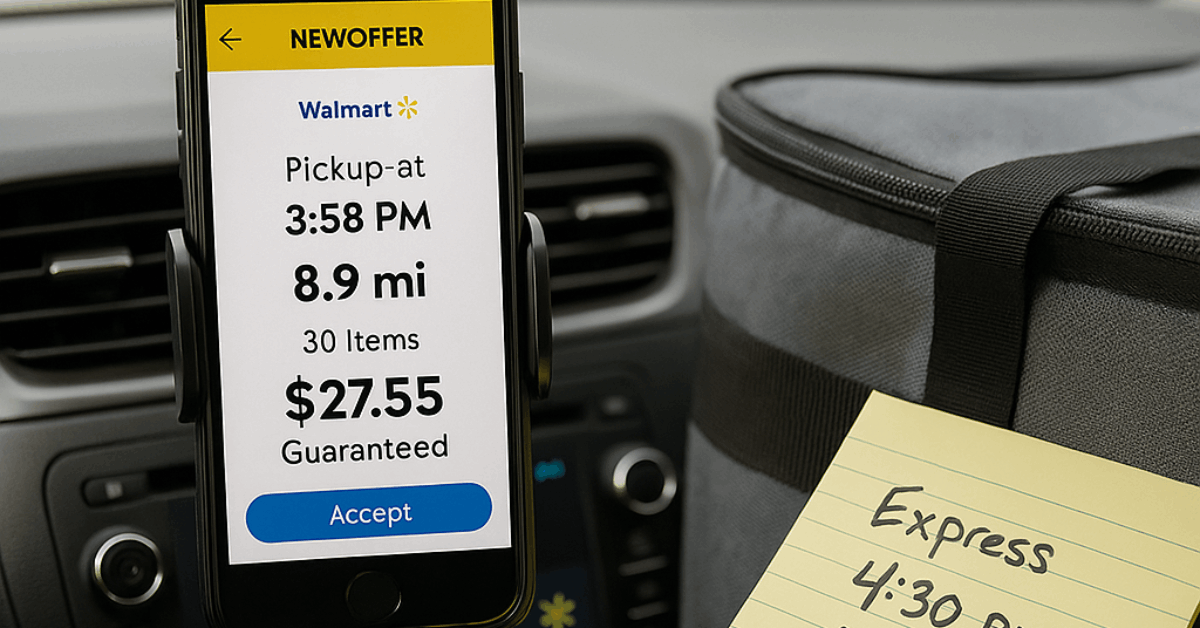
Orders get released in the Spark Driver app, drivers accept offers, collect items at Walmart, and complete doorstep or curbside hand-offs. Groceries, household goods, and small general merchandise make up most trips.
4 Options for Delivery
Rushing between order types without a plan wastes time; knowing the formats helps you pick the fastest wins.
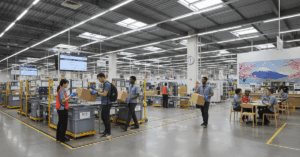
- Curbside orders: Store associates load items at the designated area in the parking lot, and the customer meets you there, so no residential driving is required on those trips. Time-on-task stays short because everything happens at the store.
- Express deliveries: Same-store pickups prioritized for speed, where Walmart targets most orders within roughly an hour of request, and typical driver time runs about fifteen to twenty-five minutes. Fast cycles can lift hourly earnings during peak windows.
- Online orders (store pickup → doorstep): Customers order online, you collect at the store and deliver to the address shown, including contactless drop-offs when allowed. Familiar routing and predictable workflows make these a steady baseline.
- Shop-and-deliver: In-store shopping followed by delivery to the customer’s address, which takes more time and energy than simple pickups. Extra effort often brings higher payouts and periodic incentives.
Pay & Earnings Models
Income varies widely by market demand, order mix, and tips. Reported annualized ranges run roughly $38,575 to $100,402, while many markets fall closer to the middle once realistic hours and mix are applied.
Several California cities such as San Jose, San Francisco, Oakland, Berkeley, Fremont, and nearby areas often post higher averages around the high-$40Ks to low-$50Ks, and states frequently cited for strong averages include the District of Columbia, California, New Jersey, Alaska, and Massachusetts.
How Drivers Get Paid:
- Per-delivery payouts: Typical offers fall around $15–$20 per completed order, adjusted for distance, effort, and tips. Independent contractors see the amount before accepting and must hit the required steps without errors to receive the full payout.
- Hourly averages (informal): Some drivers gauge results as an hourly estimate; average reports cluster near $15.57 per hour based on sustained activity, location, and tip rates. No guaranteed minimum applies.
Most drivers receive payouts weekly, commonly on Tuesdays via the Branch app, which then transfers to a linked bank account.
What Drivers Report
Hassles in the workflow reduce earnings; these recurring themes help you plan around them.
- Zone selection: Limited selectable zones can increase idle time in areas containing multiple Walmart stores, forcing drivers to wait for offers outside their preferred radius.
- Batching and multiples: Grabbing more than one order per stop keeps you productive and enables efficient multi-stop routing that compresses drive time between drops.
- In-app communication: Occasional difficulty reaching customers or support leads to extra calls and added minutes, so keeping alternate contact methods ready can save a trip.
Pros and Cons
Delays, app quirks, and acceptance targets affect results; weigh these trade-offs before onboarding.
| Advantage | Trade-off |
| Flexible scheduling and offer choice | Offer volume fluctuates by zone and time |
| Eligibility from age 18 | Heavy or bulky orders may appear |
| Keep 100% of confirmed tips | Acceptance-rate expectations around 70%+ constrain declines |
| Incentives and fast cycles can lift pay | Some deliveries post low base pay in slow periods |
| Use your own vehicle and phone | App usability varies versus other platforms |
How to Apply
Competition for high-demand zones can move quickly; preparing documents and understanding steps speeds up approval.
Eligibility & Basic Requirements
Applicants must pass a criminal background check, be at least 18, hold a valid driver’s license and auto insurance, use a compatible Android or iPhone, and safely lift up to 50 pounds. Physical capability matters for cases of water, pet food, and similar loads.
Vehicle Setup (via DDI)
Spark uses Delivery Drivers Inc. (DDI) for contractor onboarding and vehicle records.
Register the vehicle so order sizes match capacity and so store teams can identify you on arrival. Vehicle changes are allowed, but DDI should be updated promptly to prevent offer mismatches.
Application Steps
Visit the Spark Driver careers page, choose an available region/zone, review expected driving distances on the map, and submit contact details plus required consents.
After identity and background checks clear, app access opens for schedule preferences, incentives, and base-pay visibility.
Spark Driver App: Key Actions
Missing steps inside the app slows down early earnings; these five actions cover the core flow.
- Sign in and review offers: Check store, pickup window, distance, pay, and order type, then accept or skip based on your plan and acceptance-rate goals.
- Arrive and verify pickup: Use curbside, in-store, or shop-and-deliver instructions; confirm order IDs and load efficiently to protect items.
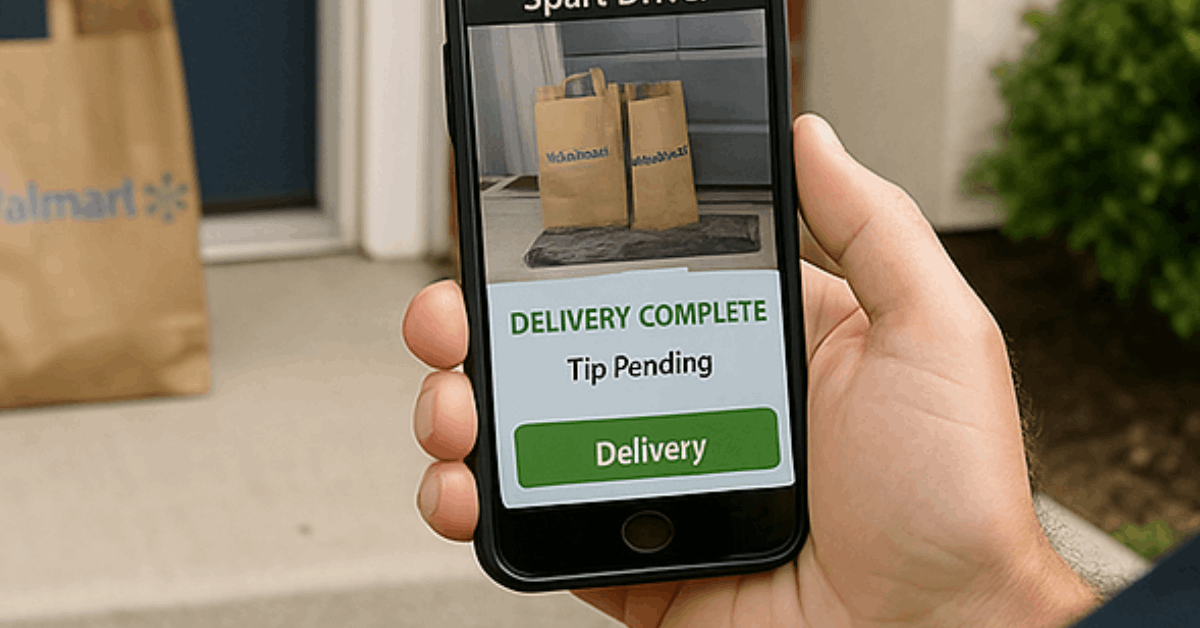
- Navigate and deliver: Follow in-app guidance to the address, complete contactless drop-off if allowed, and capture any required proof.
- Report issues fast: Use app tools to flag substitutions, missing items, or access problems so support can adjust.
- Close out accurately: Mark delivered, upload required photos, and confirm steps to ensure payment and tips process correctly.
Taxes & Compliance
Self-employment rules apply to Spark contractors, which changes how earnings get reported and how deductions reduce taxes.
1099s and Filing
Earning $600+ from Spark in a tax year generally triggers a Form 1099-NEC by January 31 of the following year, mailed unless electronic delivery is selected in profile settings.
Reporting remains required once net self-employment income reaches $400+, even without receiving a 1099.
Most drivers file Form 1040 with Schedule C for income/expenses, plus Schedule SE for self-employment tax; additional adjustments often flow through Schedule 1.
Estimated Taxes and Deadlines
Owing $1,000+ for the year usually creates an estimated quarterly payment requirement using Form 1040-ES.
Typical due dates fall on Apr 15, Jun 15, Sep 15, and Jan 15 (next year). Filing extensions move paperwork, not payments; underpayment can add penalties and interest.
Late filing penalties can reach 5% per month up to 25%, while failure-to-pay typically accrues 0.5% per month up to 25%.
Deductible Expenses
Two main vehicle methods exist: the standard mileage rate ($0.67 per mile in 2024; $0.70 in 2025) multiplied by documented business miles, or the actual-expense method using the business share of fuel, maintenance, insurance, depreciation, and more.
Tolls and parking, business use of phone and data, delivery gear such as insulated bags, platform or payment fees, self-employed health insurance, professional services, and eligible retirement contributions may also reduce taxable income when properly documented.
Recordkeeping Basics
Accurate logs drive larger, defensible deductions. A mileage log should note purpose, route, date, and distance.
Receipts, bank and card statements, invoices, and annotated notes should be retained at least three years.
Mixed-use items require allocating only the business portion; for example, a phone bill used thirty percent for Spark would allow only that share.
Route Planning & Multi-Stop Efficiency
Tight windows and stacked orders reward disciplined routing. Reliable navigation, smart batching, realistic capacity planning, clear customer notifications, and photo-based proof of delivery reduce backtracking and disputes while protecting ratings.
Real-time edits for add-on stops and quick re-sequencing when traffic changes keep earnings steadier during peak periods.
FAQs
Quick answers remove common blockers so you get to your first payout faster.
- What skills matter most? Safe driving, the ability to lift up to 50 pounds, solid time management, basic app fluency, clear communication, and steady problem-solving under time pressure remain essential for consistent results.
- How often are drivers paid? Most drivers see weekly payouts on Tuesdays through the Branch app, followed by transfer to a linked bank account, subject to bank processing times.
- What does a Spark driver do? Typical shifts involve collecting orders curbside or in-store, shopping certain lists when required, and delivering to the specified address while following proof-of-delivery steps.
- How long does onboarding take? Many applicants start within several days to a week once requirements are met, although delays occur if background checks, documentation, or eligibility items are incomplete.
Bottom Line
Solid markets, efficient routing, and disciplined acceptance decisions can make Spark a practical flexible income stream, provided contractor taxes, documentation, and vehicle upkeep are handled proactively.